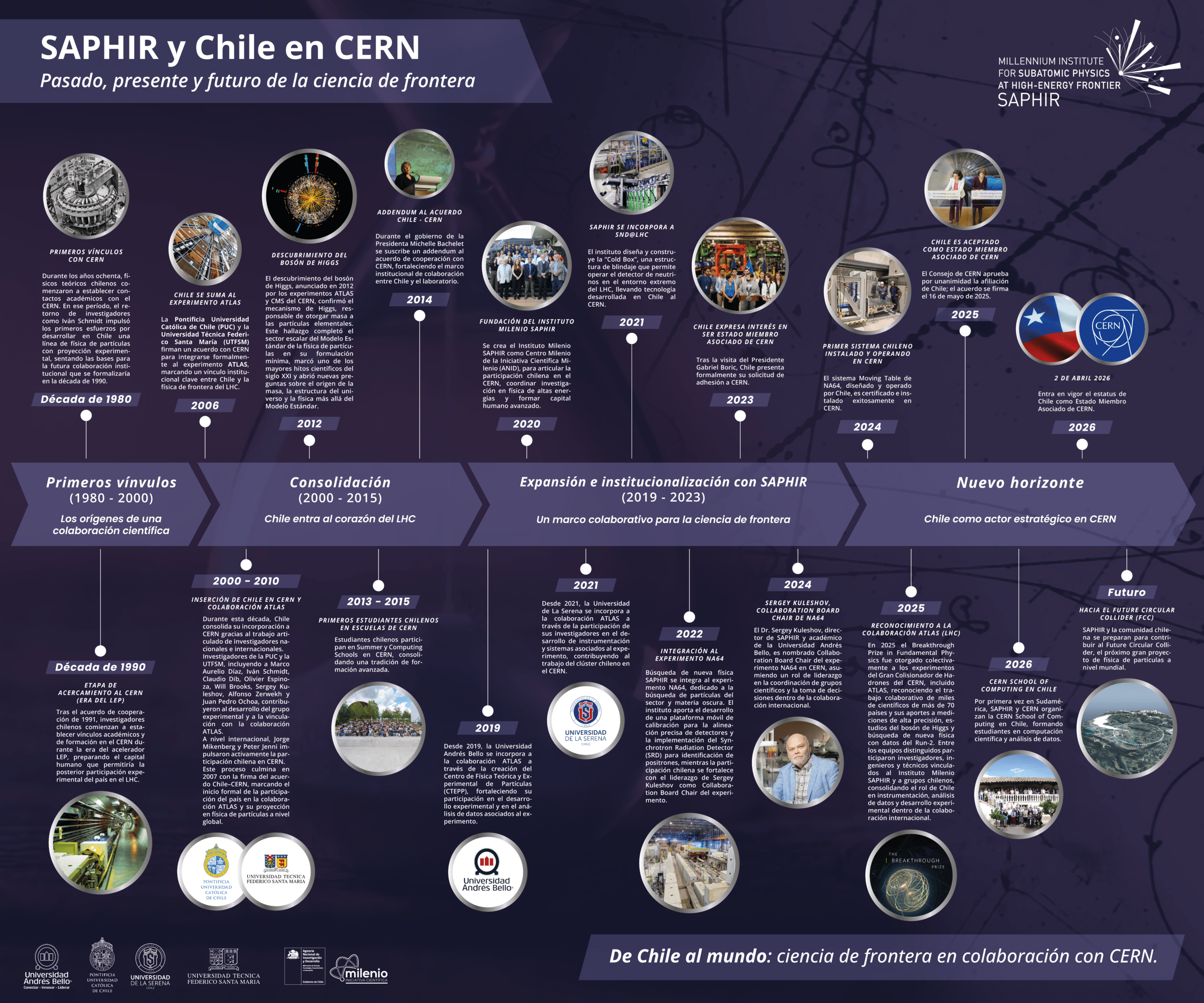
Fundado en 1954 y ubicado en la frontera entre Suiza y Francia, el CERN (Consejo Europeo para la Investigación Nuclear) es el mayor laboratorio de física de partículas del mundo y uno de los centros científicos más influyentes de la historia moderna. Creado tras la Segunda Guerra Mundial con el objetivo de impulsar la cooperación científica internacional, CERN se ha consolidado como un verdadero motor del conocimiento global, reuniendo a miles de científicos de más de 100 países.
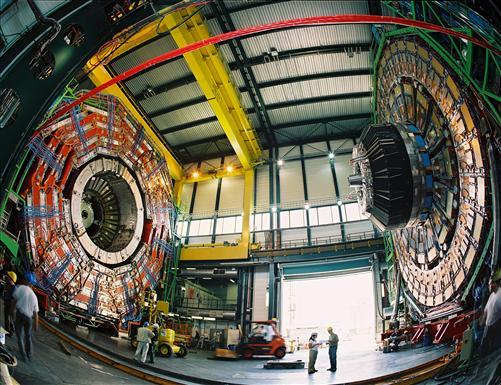
Entre sus hitos más relevantes se encuentra la construcción y operación del Large Hadron Collider (LHC), el acelerador de partículas más grande y potente jamás construido, gracias al cual fue posible el descubrimiento del bosón de Higgs en 2012, un avance fundamental para la comprensión del origen de la masa en el universo. A lo largo de su historia, CERN ha sido también cuna de innovaciones tecnológicas que han trascendido la física, como el desarrollo de la World Wide Web.
El Instituto Milenio SAPHIR mantiene un vínculo activo y estratégico con CERN a través de la participación de sus investigadoras e investigadores en experimentos internacionales como ATLAS, NA64, SND@LHC y SHIP. Este trabajo incluye el diseño, fabricación, caracterización y soporte de detectores de partículas, así como el análisis de datos del LHC y el desarrollo de nuevas tecnologías asociadas a la física de altas energías. De este modo, SAPHIR contribuye directamente a la investigación de frontera que se desarrolla en CERN, fortaleciendo la presencia chilena en uno de los principales centros científicos del mundo.
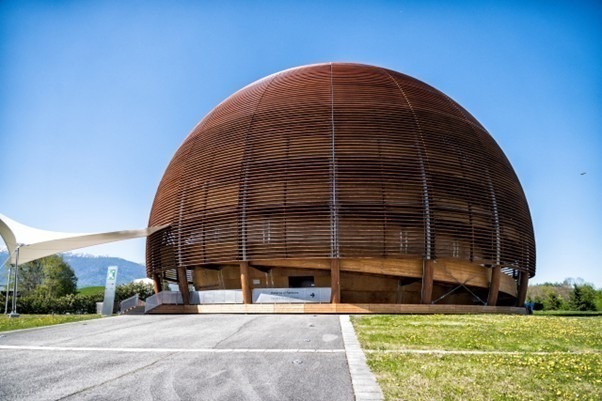
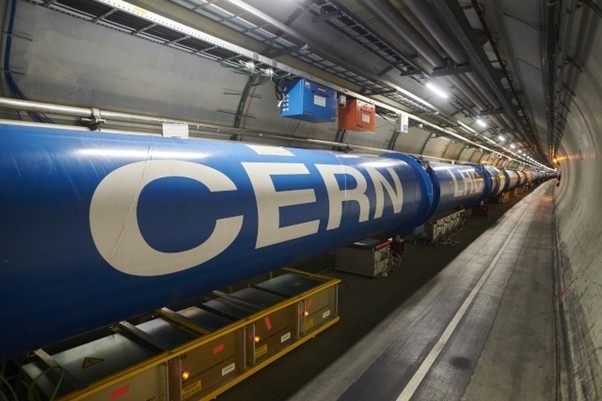
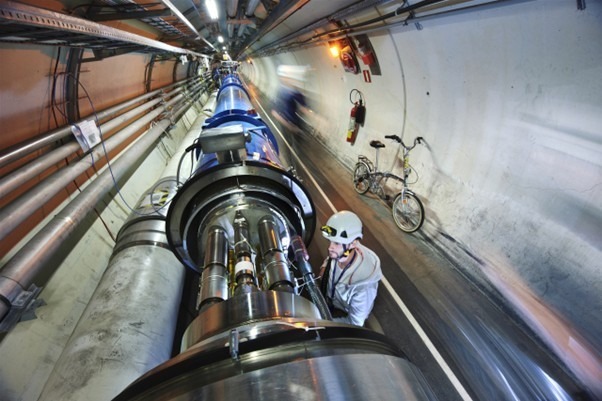

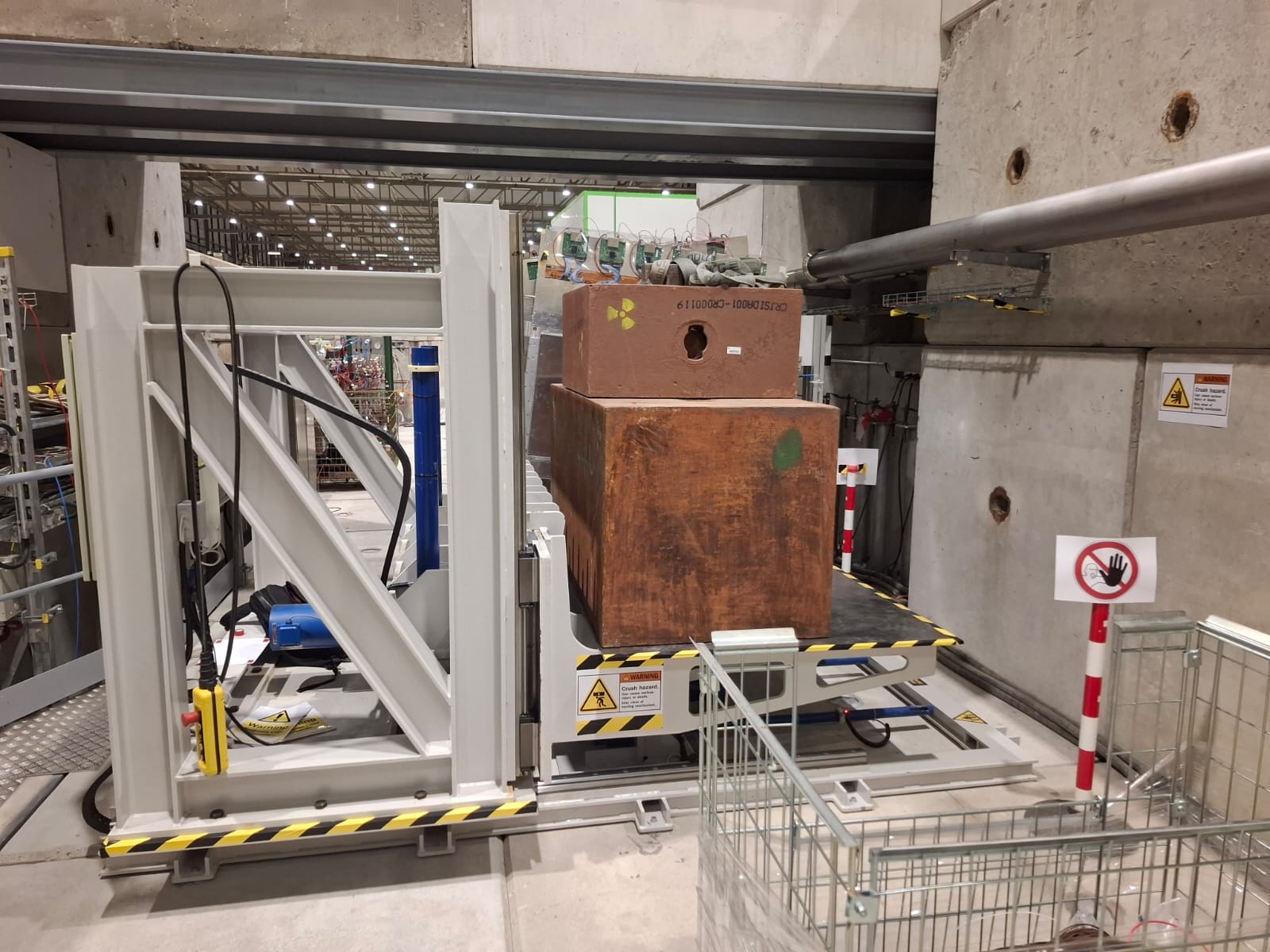
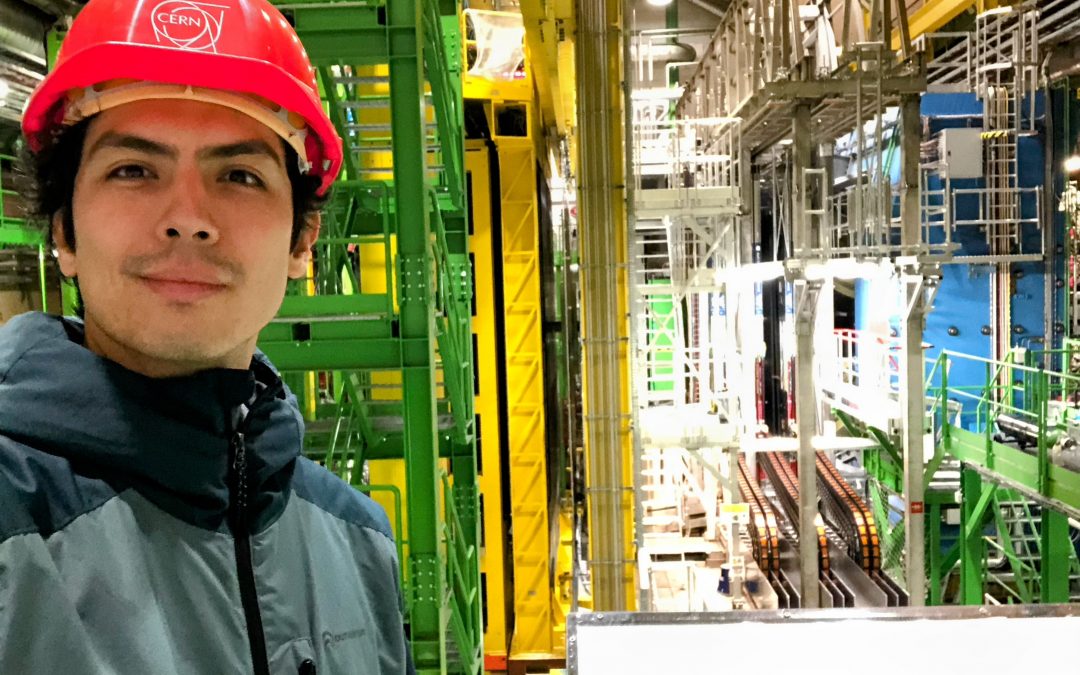
El Instituto Milenio SAPHIR contribuye directamente a la construcción de instrumentación para experimentos internacionales instalados en el Gran Colisionador de Hadrones y sus futuras extensiones.
Nuestra participación no es solo científica: diseñamos y fabricamos hardware crítico que permite que los detectores funcionen, midan y sobrevivan a uno de los ambientes más extremos creados por la humanidad.
El Instituto Milenio SAPHIR se conecta directamente con el Laboratorio Europeo de Física de Partículas (CERN) a través de la contribución chilena a programas de investigación de frontera en física subatómica, diseño y construcción de detectores, y participación en experimentos de gran escala como ATLAS, SND@LHC y NA64, impulsados por la comunidad científica global. CERN, fundado en 1954 como un centro de investigación colaborativa internacional dedicado al estudio de las partículas fundamentales y sus interacciones, alberga el Gran Colisionador de Hadrones (LHC), la infraestructura más avanzada del mundo para explorar la estructura del universo, incluyendo el descubrimiento del bosón de Higgs y otros fenómenos fundamentales.
SAPHIR potencia estos lazos integrando talento chileno en redes científicas globales, co-desarrollando tecnologías de detección y análisis de datos y contribuyendo al avance del conocimiento científico desde Chile hacia el mundo.
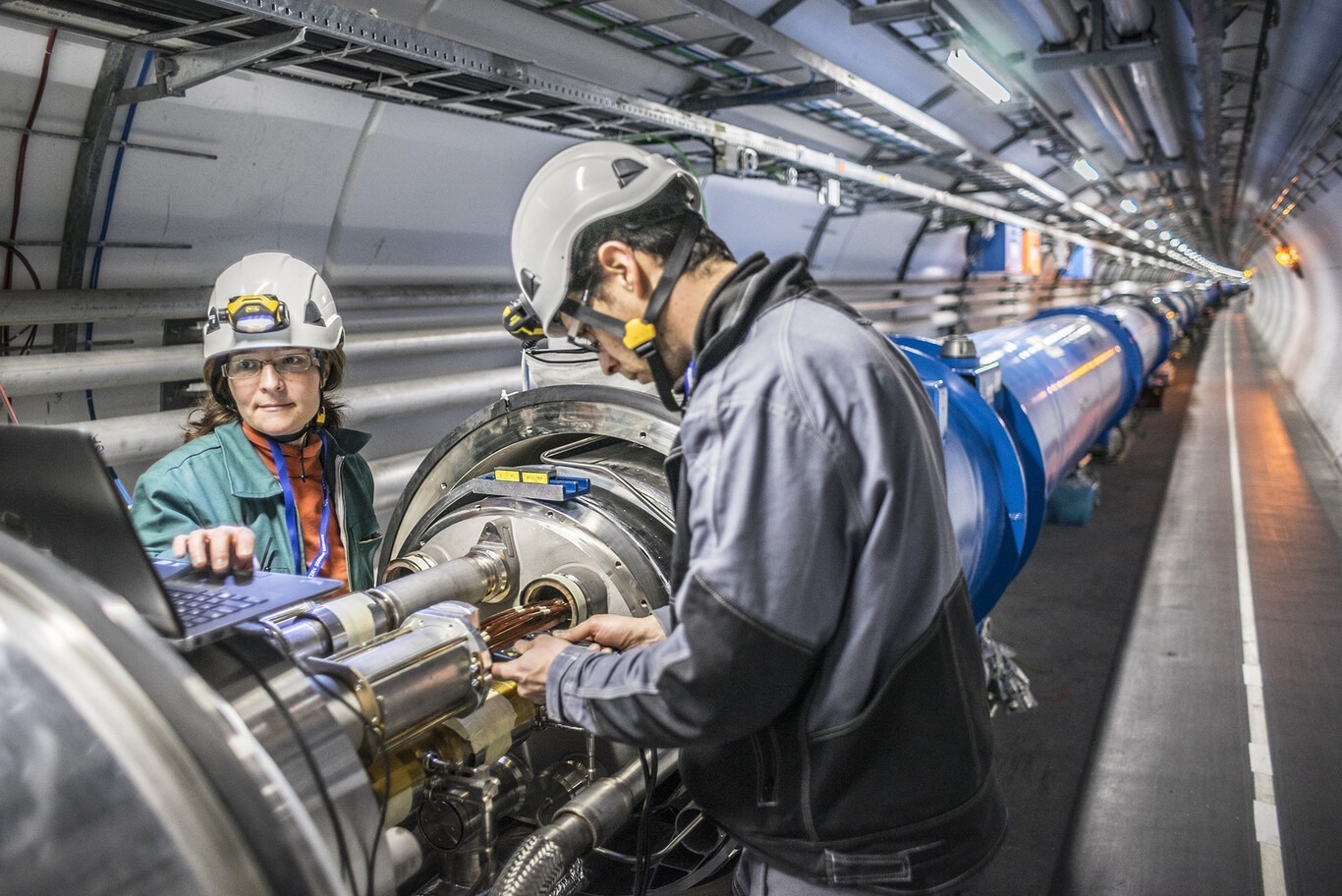
Como Estado Miembro Asociado del CERN, Chile cuenta con nuevas oportunidades para que estudiantes, técnicos, ingenieros y profesionales participen en programas de formación, prácticas profesionales y posiciones laborales en una de las organizaciones científicas más importantes del mundo.
Las oportunidades incluyen programas para estudiantes universitarios, prácticas técnicas, fellowships, puestos para ingenieros y científicos, además de programas específicos para jóvenes investigadores que buscan adquirir experiencia internacional en áreas como física, computación, electrónica, ingeniería mecánica, inteligencia artificial, ciencia de datos y tecnologías avanzadas.
CERN organiza anualmente diversas escuelas internacionales destinadas a fortalecer la formación de estudiantes y jóvenes investigadores en física, computación, ingeniería y tecnologías asociadas a la investigación científica de frontera. SAPHIR participa activamente promoviendo la participación de estudiantes chilenos en estas iniciativas y colaborando en la organización de algunas de ellas en América Latina.