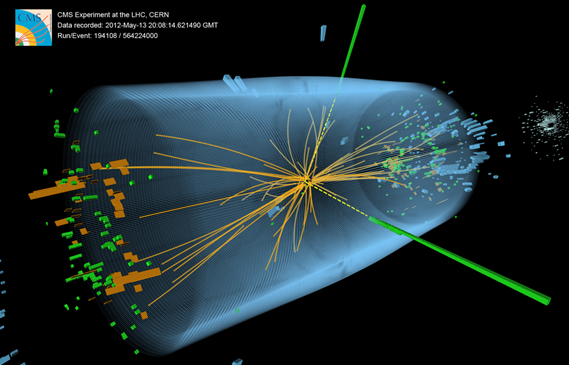
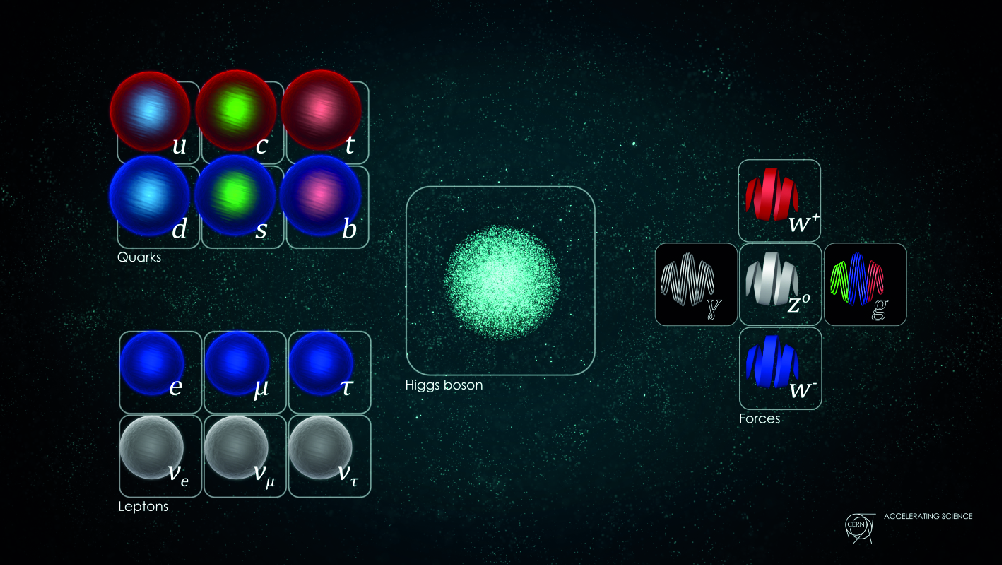
La Física Teórica de Altas Energías busca comprender las leyes fundamentales que gobiernan la materia, la energía y las interacciones del universo. Mediante modelos matemáticos y herramientas computacionales avanzadas, los investigadores de SAPHIR exploran desde las partículas del Modelo Estándar hasta posibles nuevas formas de materia y física más allá de lo conocido, abordando preguntas clave como el origen de la masa, la naturaleza de la materia oscura, las propiedades de los neutrinos y la existencia de nuevas partículas e interacciones. Los resultados de estos estudios guían directamente el diseño y análisis de experimentos internacionales en el CERN y otros laboratorios de frontera.
La Física de Partículas moderna depende de sistemas computacionales avanzados capaces de procesar enormes volúmenes de datos generados por experimentos de gran escala. En esta línea, SAPHIR desarrolla soluciones en arquitectura computacional, software científico, sistemas distribuidos, inteligencia artificial y gestión de datos, al mismo tiempo que participa en redes internacionales de computación científica y promueve el desarrollo de infraestructura local para análisis de datos, simulaciones y procesamiento distribuido, contribuyendo así a la formación de especialistas en áreas estratégicas para la investigación y la innovación tecnológica.

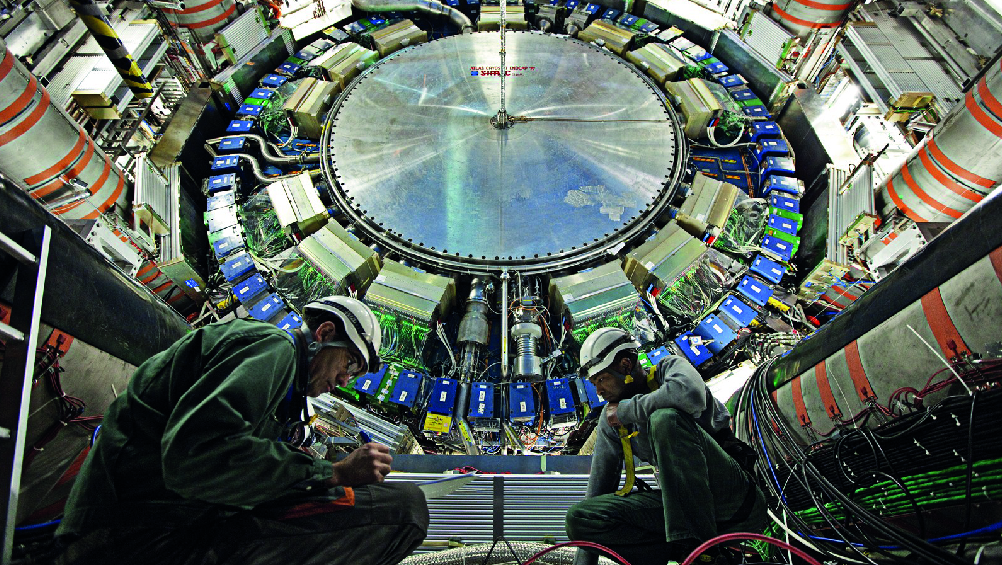
El desarrollo de instrumentación científica avanzada constituye uno de los pilares fundamentales de SAPHIR. Esta línea se enfoca en el diseño, construcción, integración y validación de detectores capaces de registrar partículas subatómicas en aceleradores y fenómenos naturales de alta energía. Los equipos del instituto participan activamente en proyectos internacionales como ATLAS, NA64, SND@LHC y SHiP en el CERN, contribuyendo con sistemas electrónicos, monitoreo, criogenia, mecánica de precisión, sensores y estructuras especializadas, lo que fortalece la transferencia tecnológica y la formación de capital humano altamente especializado en Chile.
Los experimentos de Física de Partículas generan algunos de los conjuntos de datos más grandes y complejos del mundo. Esta línea de investigación utiliza herramientas avanzadas de análisis estadístico, aprendizaje automático, inteligencia artificial y minería de datos para extraer información científica relevante de enormes volúmenes de información, con metodologías que trascienden la física de partículas y se aplican en campos como la medicina, la industria, la ingeniería y otras disciplinas donde el análisis de datos masivos es fundamental.