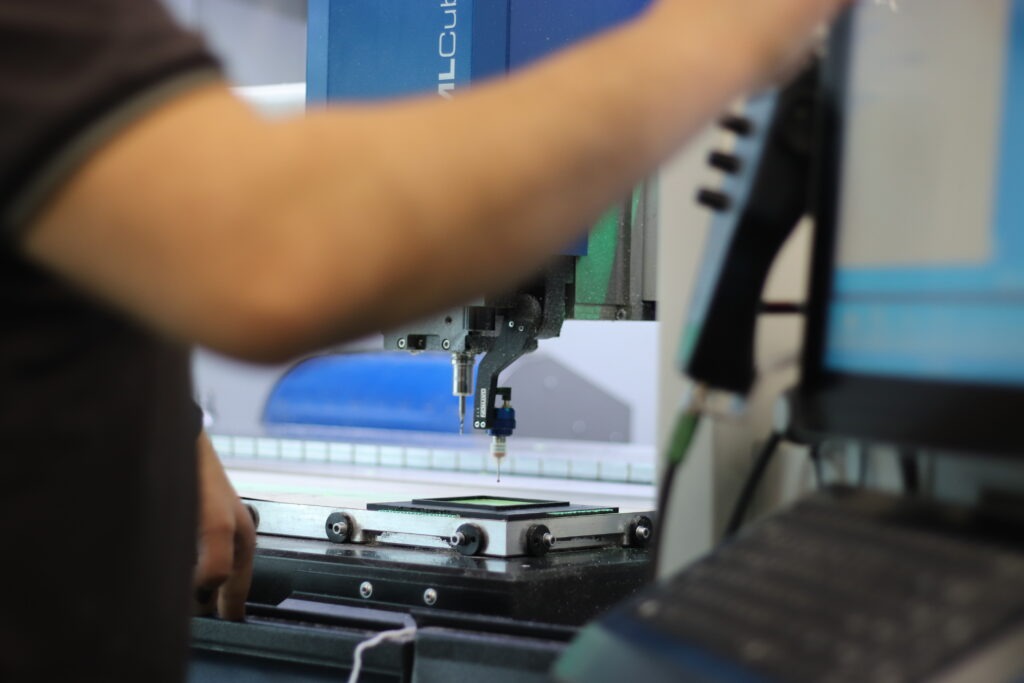
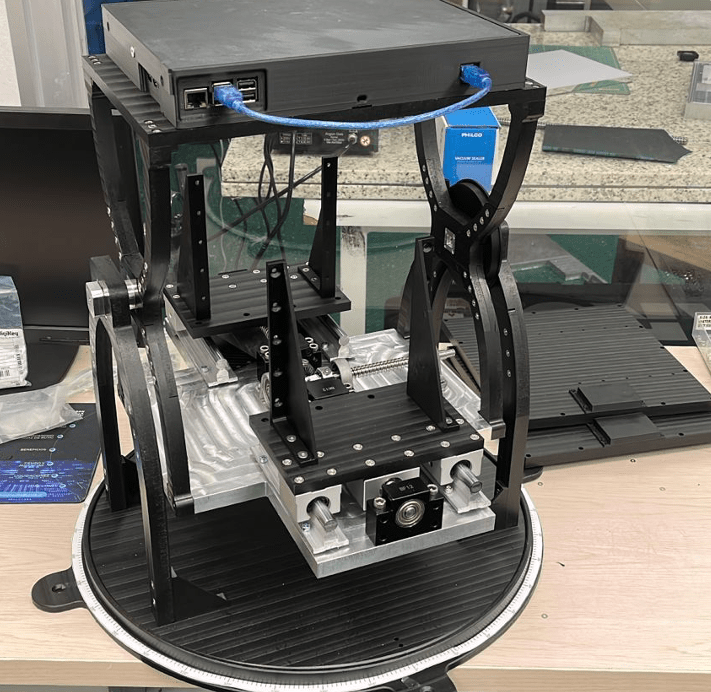
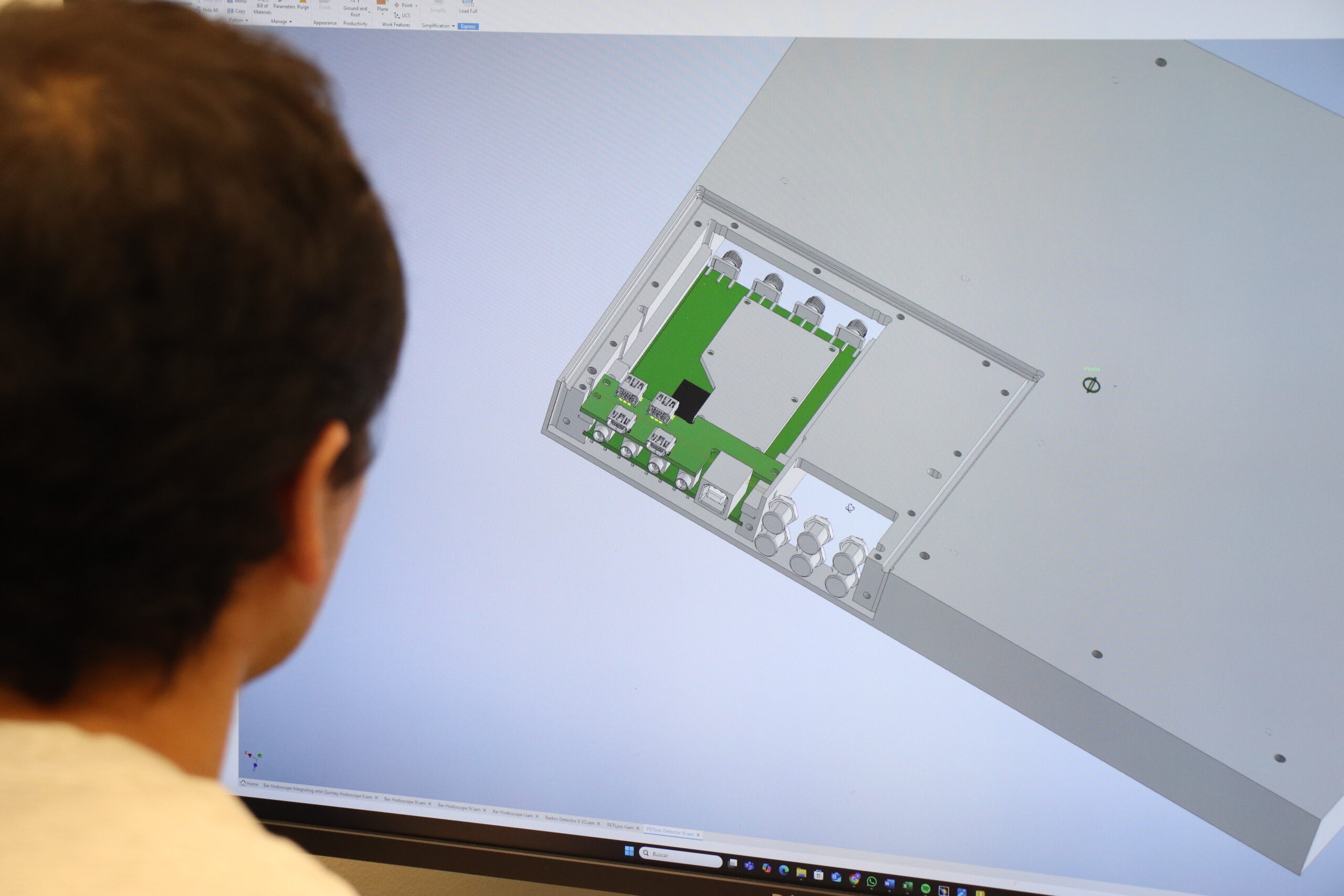
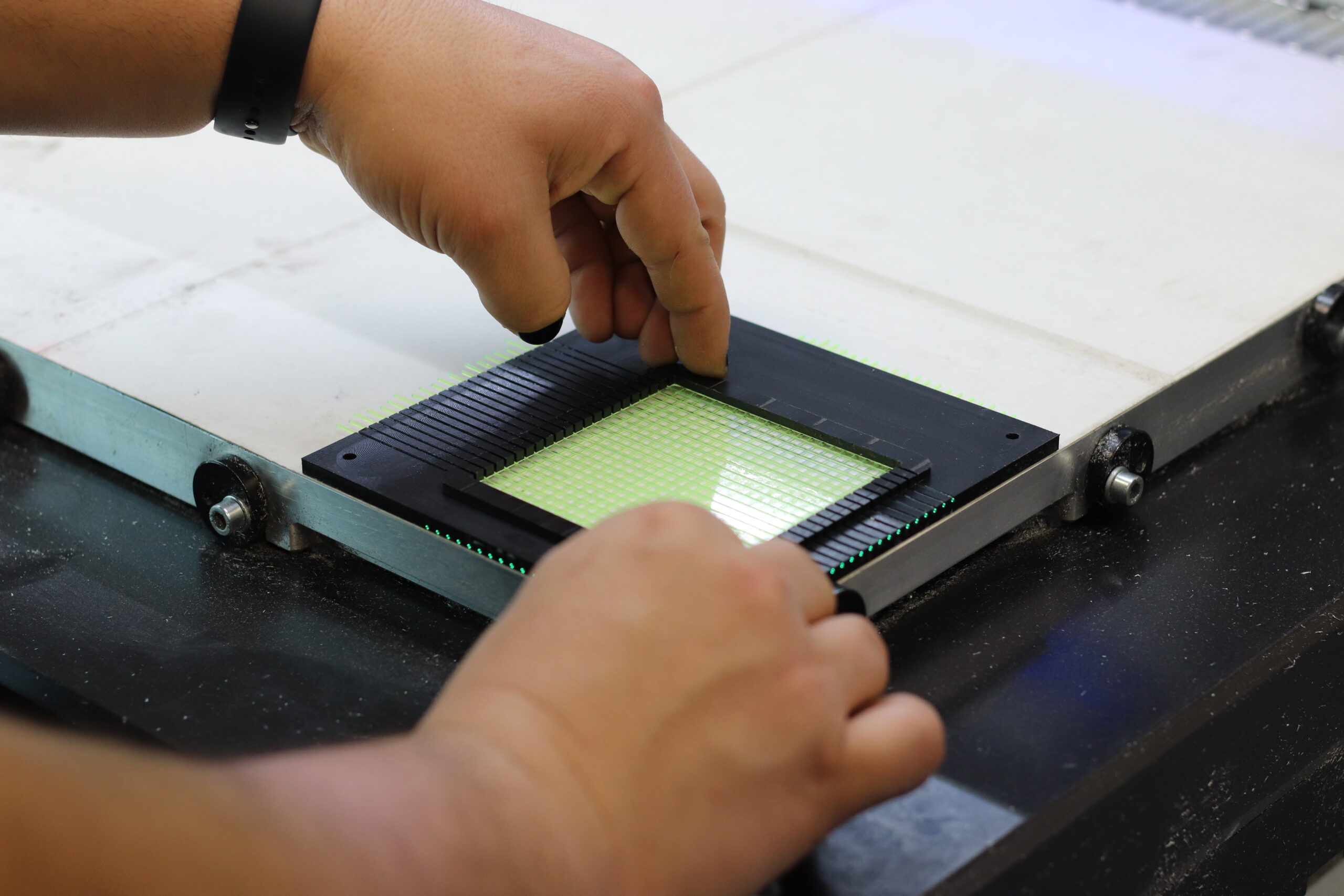
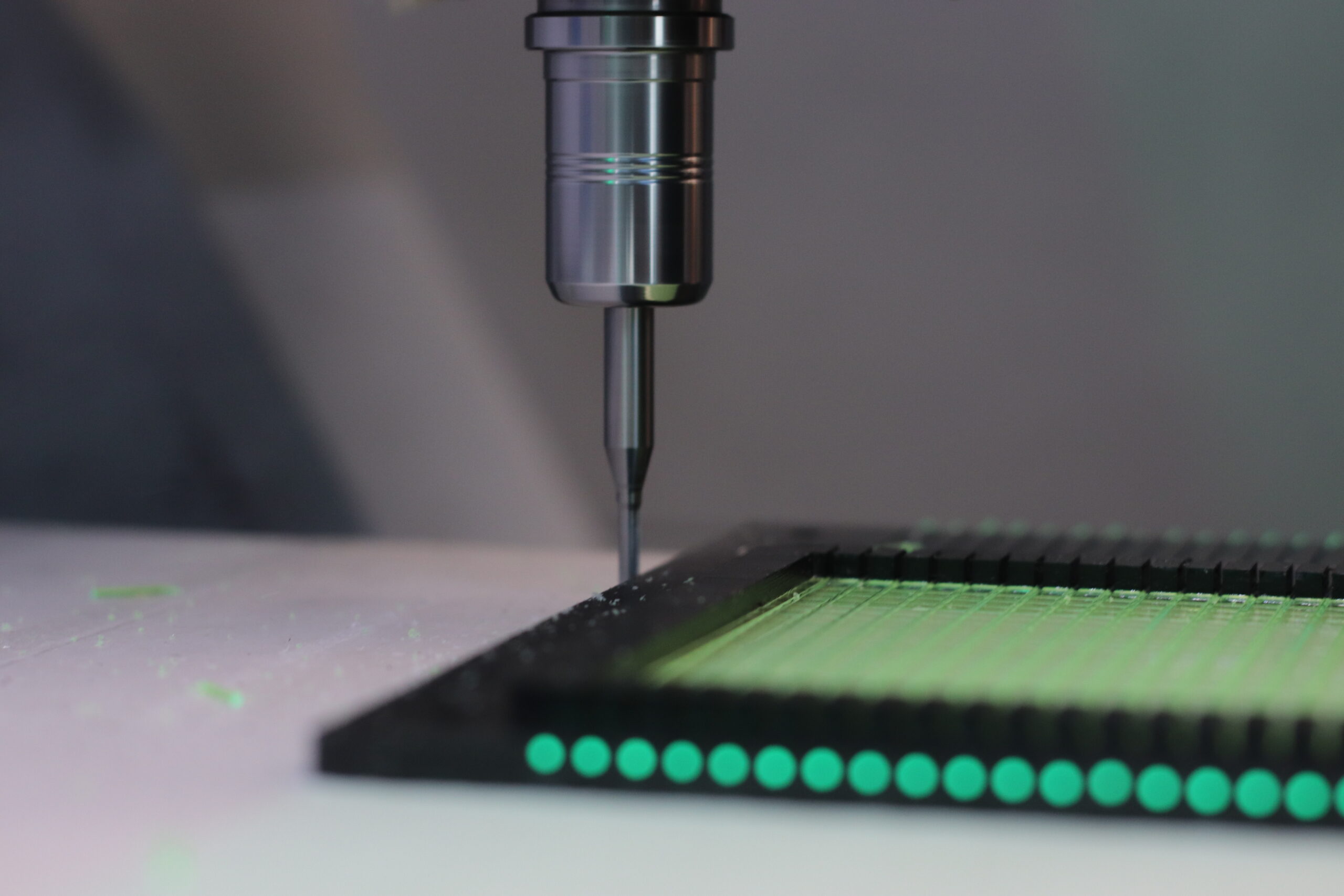
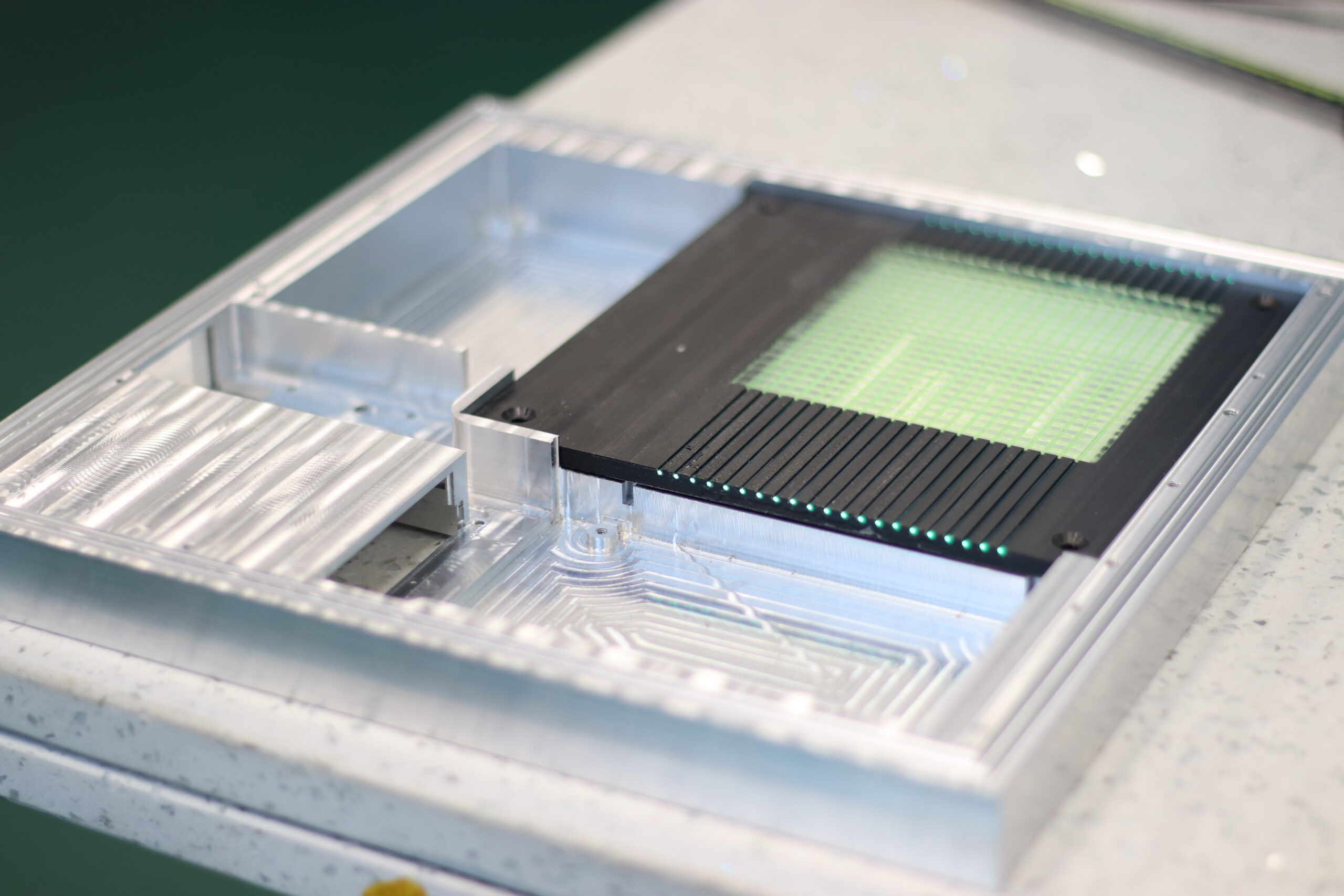
The SAPHIR Millennium Institute develops cutting-edge scientific instrumentation for experimental particle physics, advanced radiation detection, and the development of applied technologies for major international scientific infrastructures. Our work encompasses the design, prototyping, validation, and integration of specialized hardware capable of operating under extreme conditions of radiation, temperature, and high event rates—characteristics of experiments at the Large Hadron Collider (LHC) at CERN.
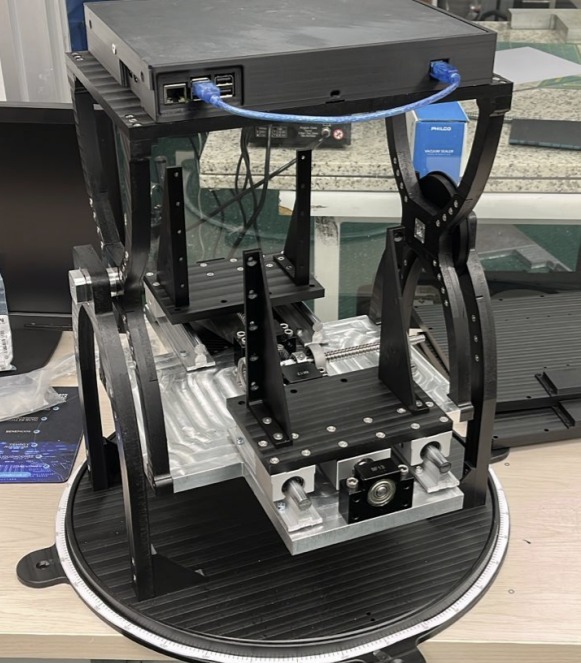
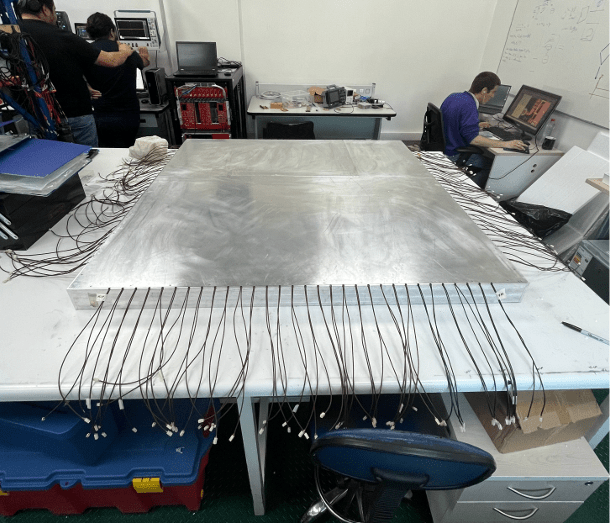
The technologies developed by SAPHIR are part of detection systems and electronic subsystems used in international experiments such as ATLAS, SND@LHC, SHiP, NA64, and future studies associated with the FCC. Notable among these developments are electronic monitoring systems, detector modules, readout electronics, sensor integration, cryogenic systems, and support structures for high-energy detectors.
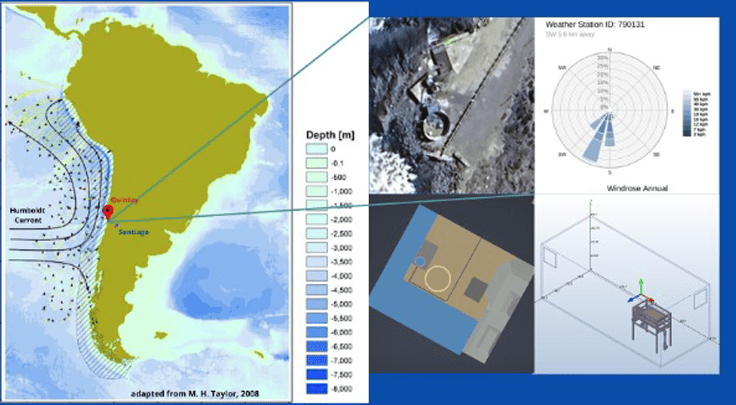
In addition to its participation in international collaborations, SAPHIR also promotes the development of scientific infrastructure and applied technologies in Chile. These include:
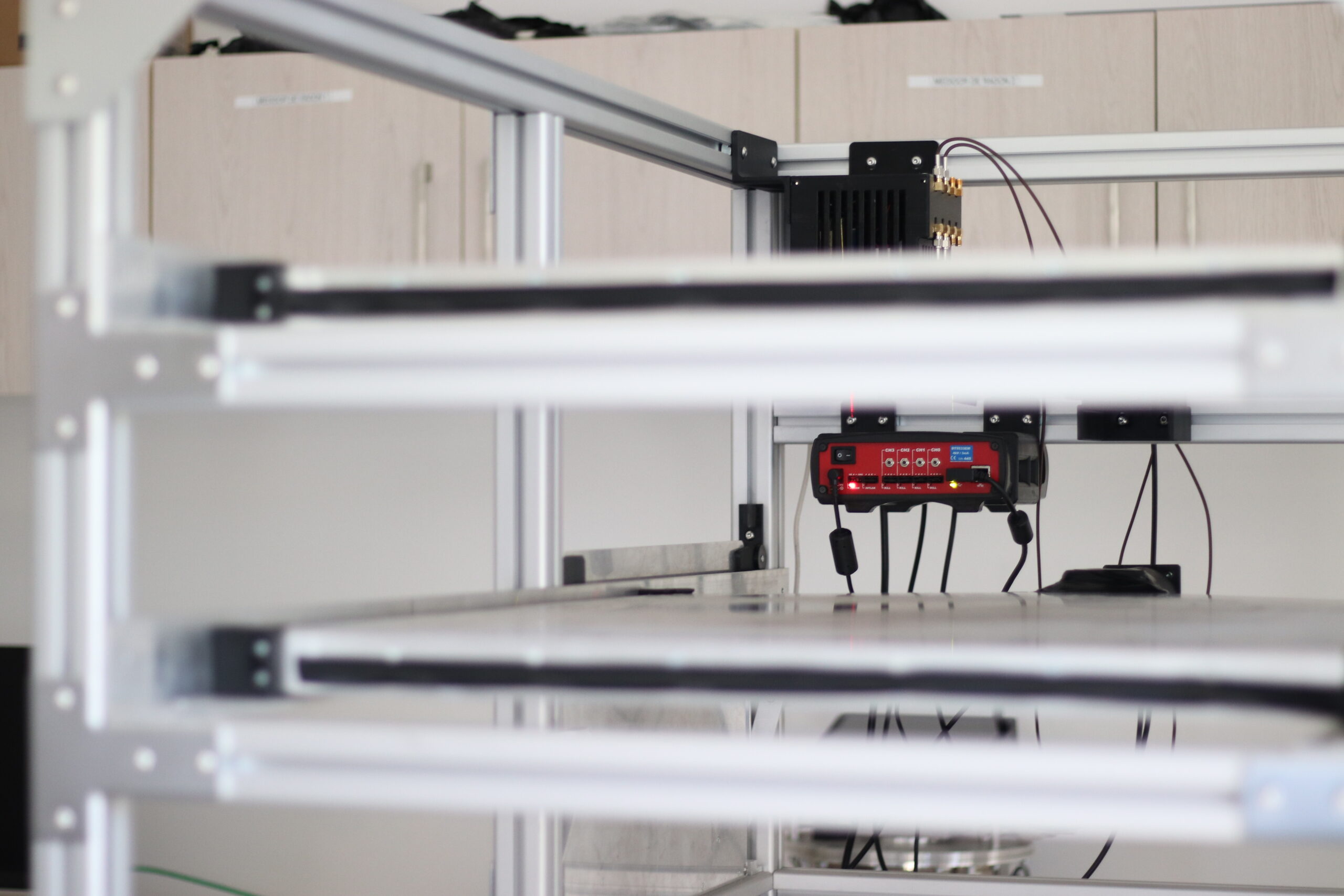
In addition, the institute develops data acquisition platforms, specialized electronics, and detector prototypes used in both advanced research and the training of students and human capital. This includes hodoscopes for detecting cosmic rays, educational instrumentation, and experimental systems used in science outreach and technology training.
SAPHIR aims to establish itself as a Latin American hub for detection technologies, interdisciplinary scientific instrumentation, and technology transfer, while also expanding the applications of particle physics into areas such as environmental monitoring, medical imaging, and national scientific infrastructure.
Researchers and specialists at the institute are actively involved in developing hardware for various international experiments, including:
Through these technological contributions, SAPHIR not only participates in scientific data collection but also provides critical components without which the experiments could not function or achieve the required precision. Our work bridges advanced engineering and fundamental physics, positioning Chile as a key player in the development of CERN’s instrumentation.