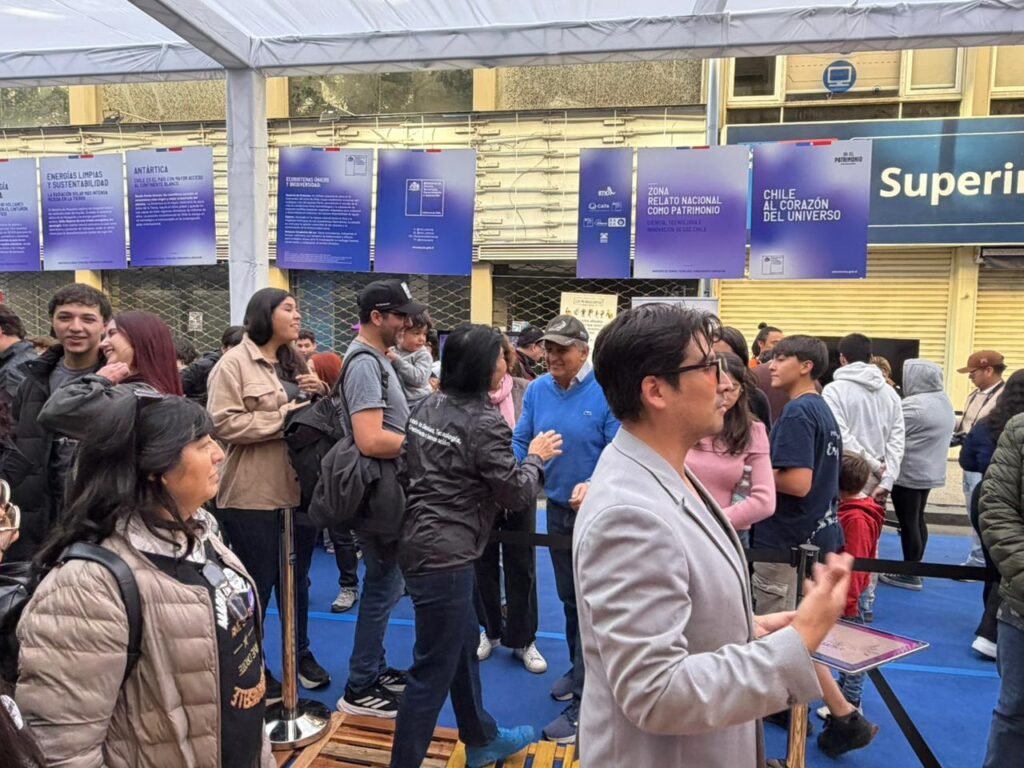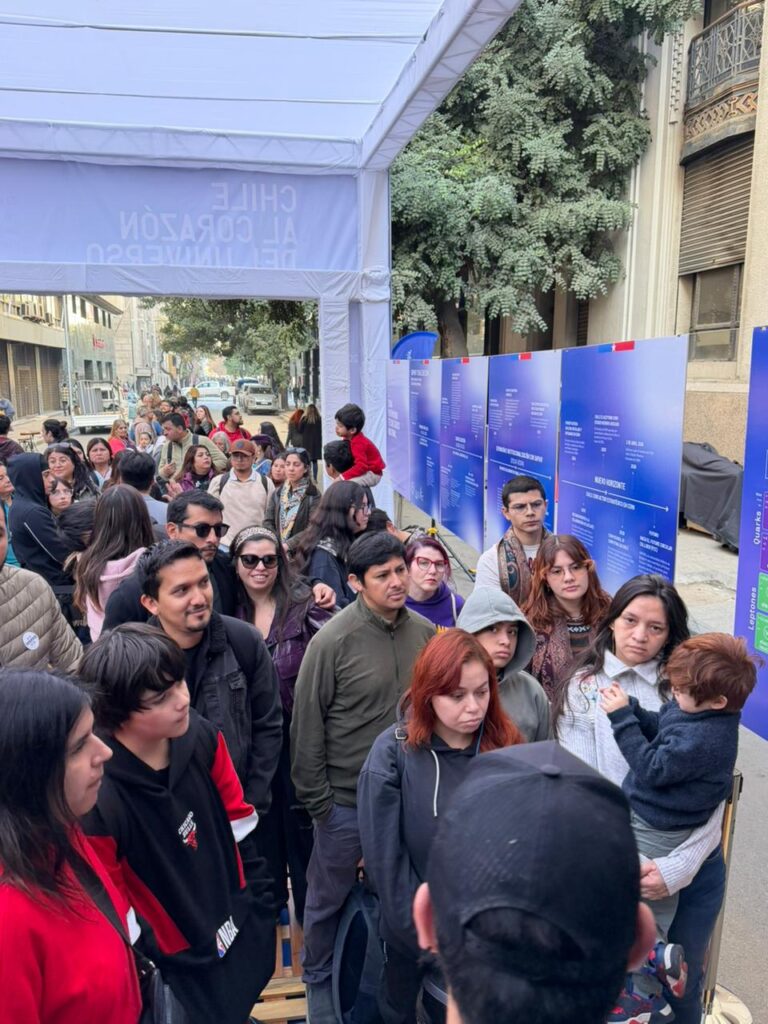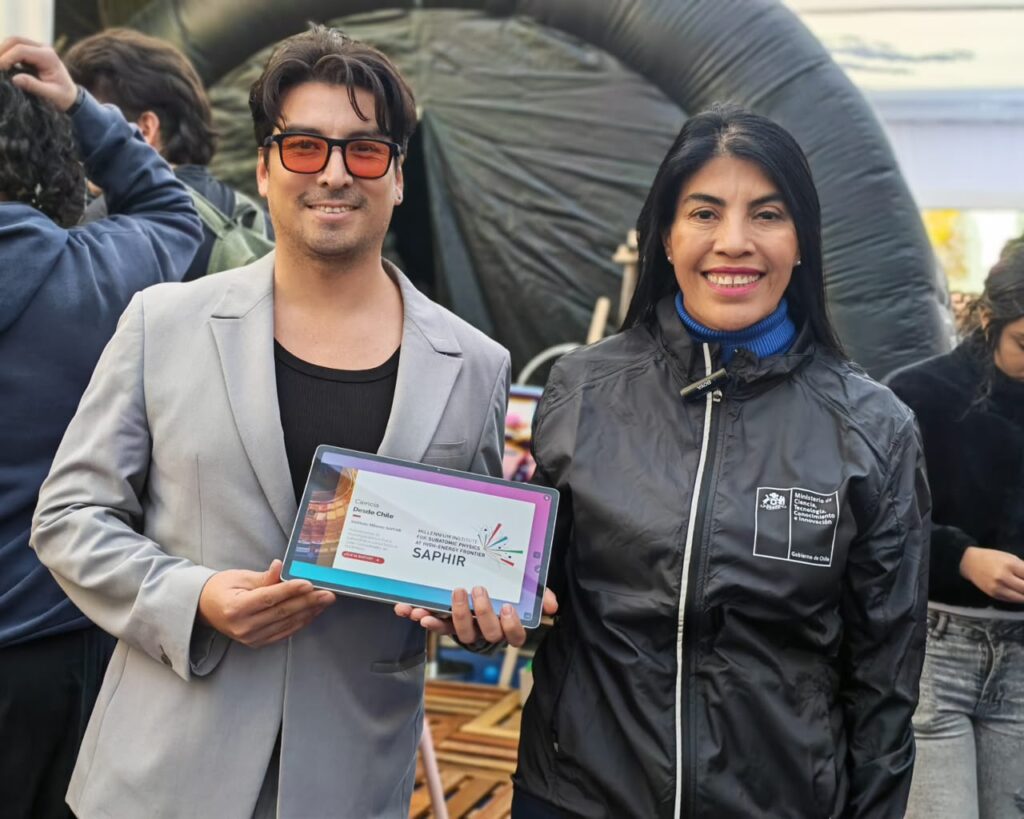
A través de la experiencia inmersiva “LHC: An Immersive Experience”, el Instituto Milenio SAPHIR acercó la física de partículas y el Gran Colisionador de Hadrones a miles de visitantes durante el Día de los Patrimonios 2026.
¿Qué se siente recorrer el túnel del acelerador de partículas más grande del mundo? ¿Cómo se estudian las partículas elementales que componen el universo? ¿Y cuál es el rol que desempeñan científicos y científicas chilenas en uno de los laboratorios más importantes del planeta?
Estas fueron algunas de las preguntas que miles de personas pudieron responder durante el Día de los Patrimonios 2026 gracias a “LHC: An Immersive Experience”, la experiencia interactiva presentada por el Instituto Milenio SAPHIR en el espacio dedicado al patrimonio científico organizado por la División Ciencia y Sociedad del Ministerio de Ciencia, Tecnología, Conocimiento e Innovación.
La iniciativa formó parte de una programación especial que reunió a diversos centros de investigación del país para demostrar que la ciencia también constituye una parte fundamental del patrimonio cultural de Chile.
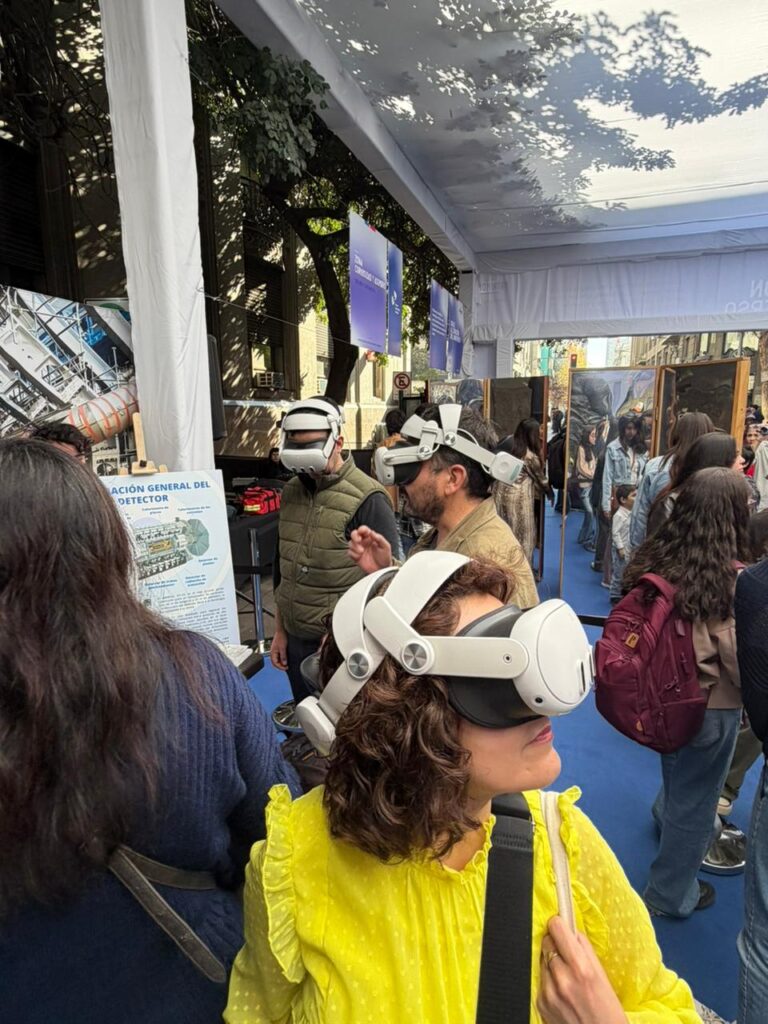
Y el interés del público fue evidente. Según cifras oficiales entregadas por el Ministerio de Ciencia, el espacio dedicado al patrimonio científico recibió un total de 9.858 visitantes, de los cuales 1.175 correspondieron a niñas y niños y 8.683 a personas adultas, transformándose en uno de los espacios más concurridos de toda la jornada.
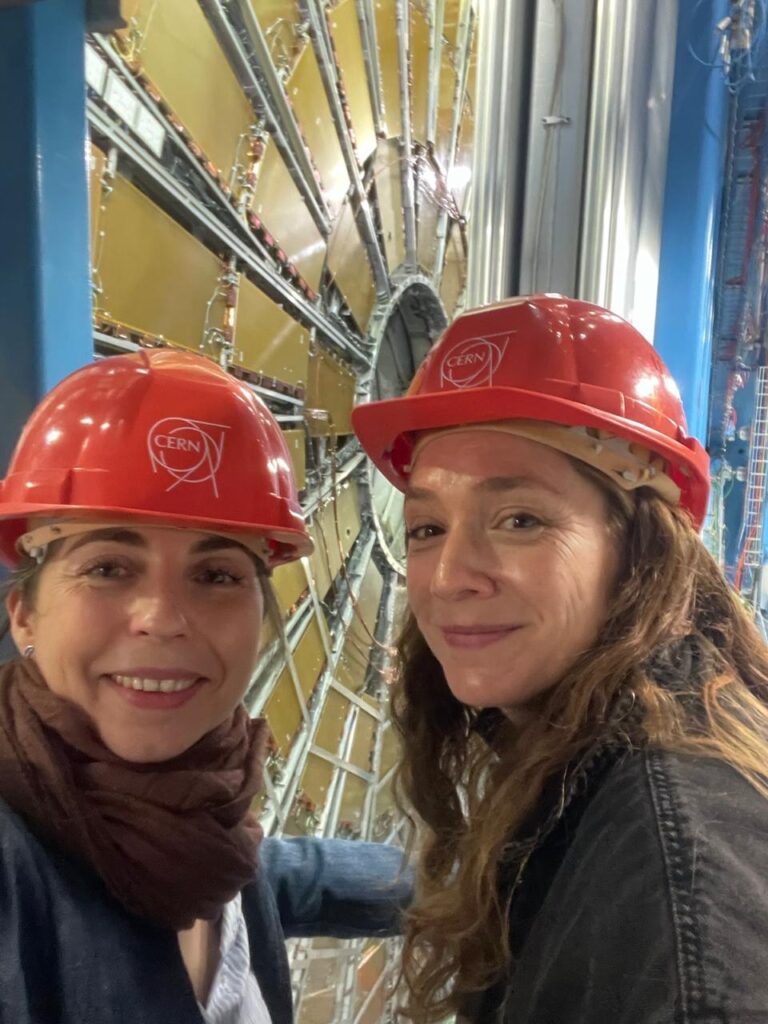
Con un stand de aproximadamente 25 metros cuadrados, SAPHIR invitó a los asistentes a realizar un recorrido por algunos de los mayores desafíos científicos de la actualidad, acercando a la ciudadanía al trabajo que se desarrolla en el CERN, la Organización Europea para la Investigación Nuclear, donde participan activamente investigadores e investigadoras chilenas.
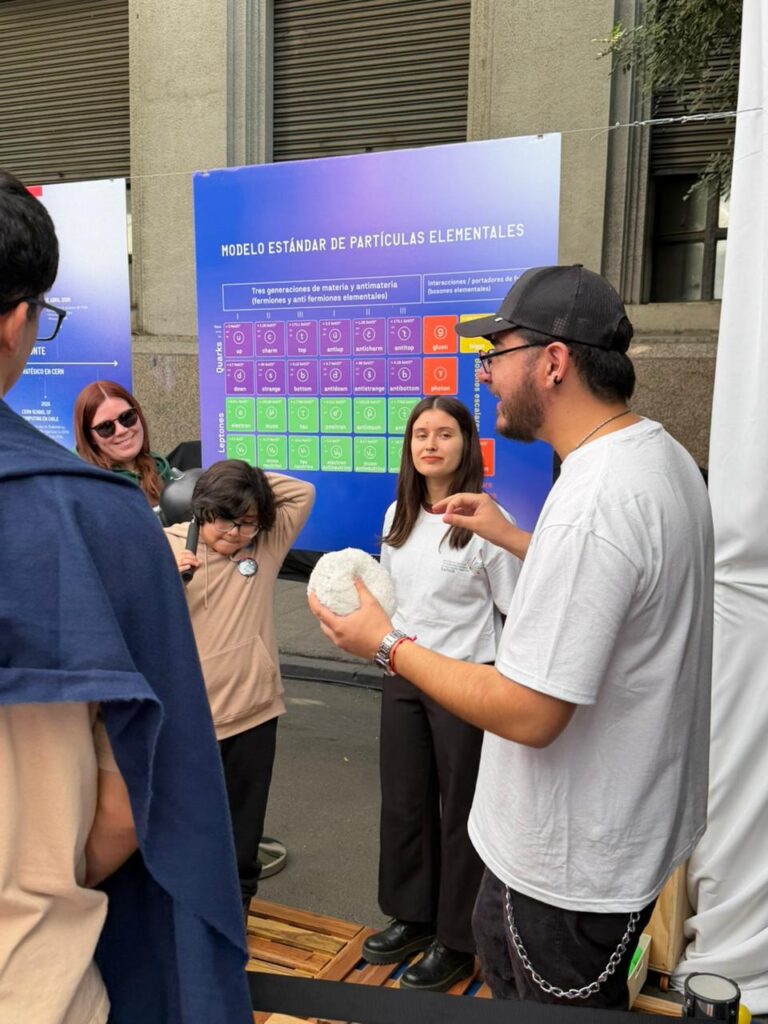
La experiencia comenzaba con una primera estación donde los visitantes conocían la historia de la relación entre Chile y el CERN, así como la participación de científicos nacionales en experimentos internacionales de física de partículas. A través de charlas breves y dinámicas, grandes y pequeños podían descubrir qué son las partículas elementales, cómo se producen las colisiones de protones y por qué los investigadores buscan responder algunas de las preguntas más fundamentales sobre el origen y funcionamiento del universo.
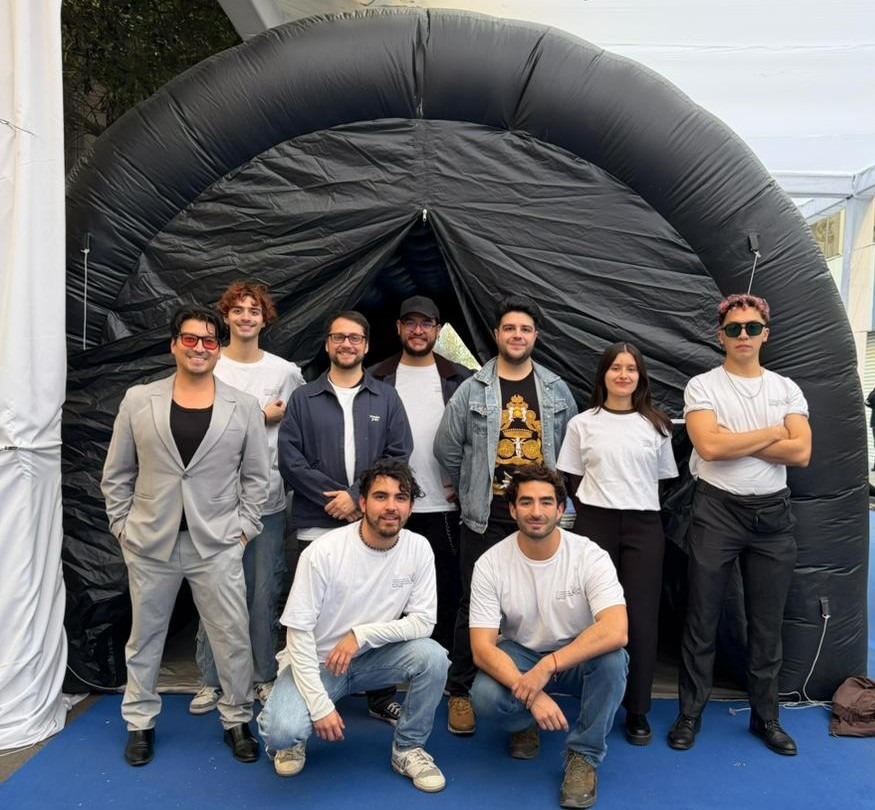
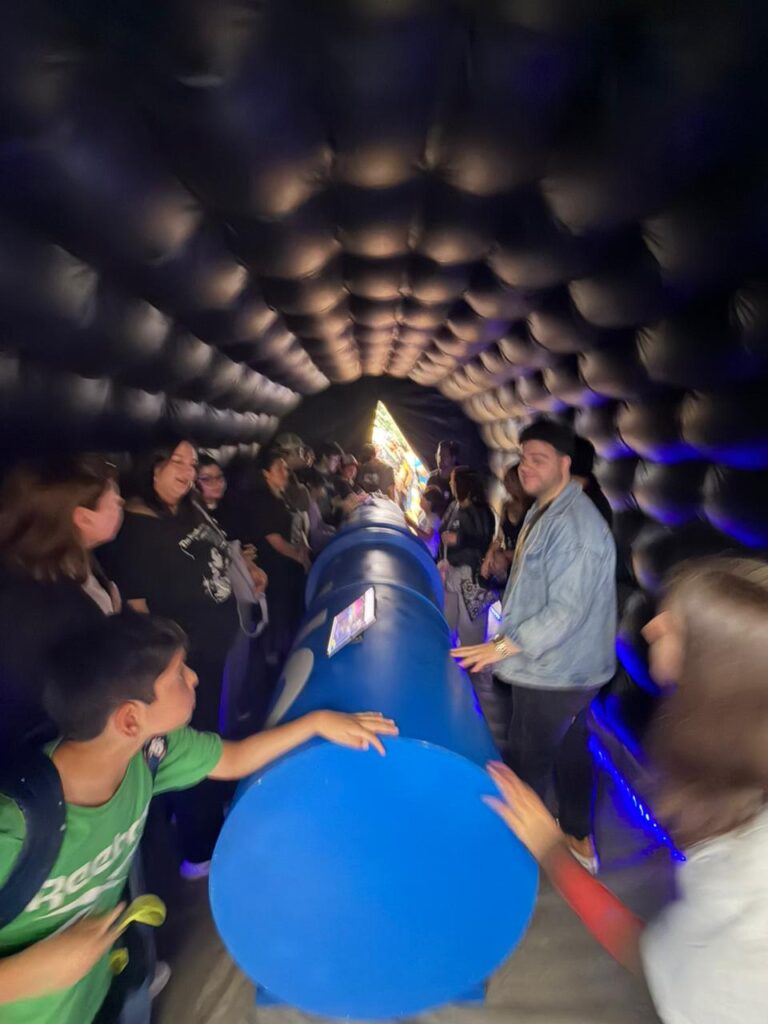
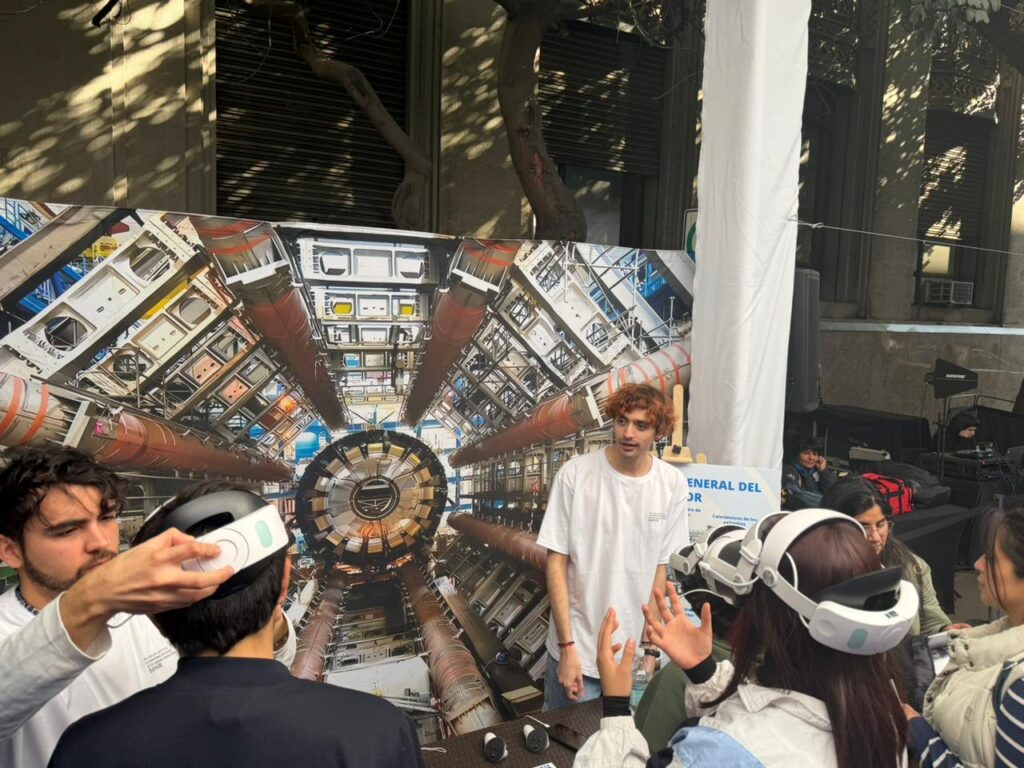
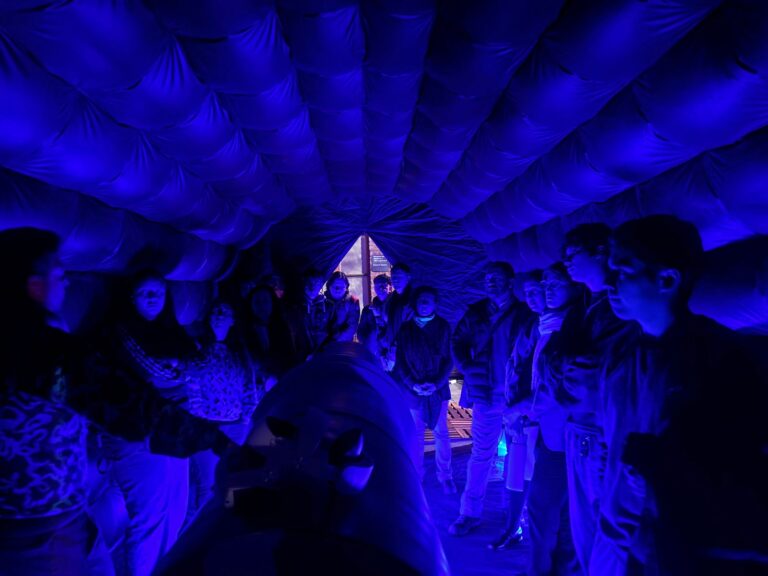
Luego llegaba uno de los momentos más llamativos del recorrido: el ingreso a un túnel inflable que albergaba en su interior una réplica de cuatro metros de longitud del tubo del Gran Colisionador de Hadrones (LHC). Allí, los asistentes pudieron imaginar cómo viajan las partículas a velocidades cercanas a la de la luz antes de colisionar dentro de los gigantescos detectores instalados bajo la frontera francosuiza.
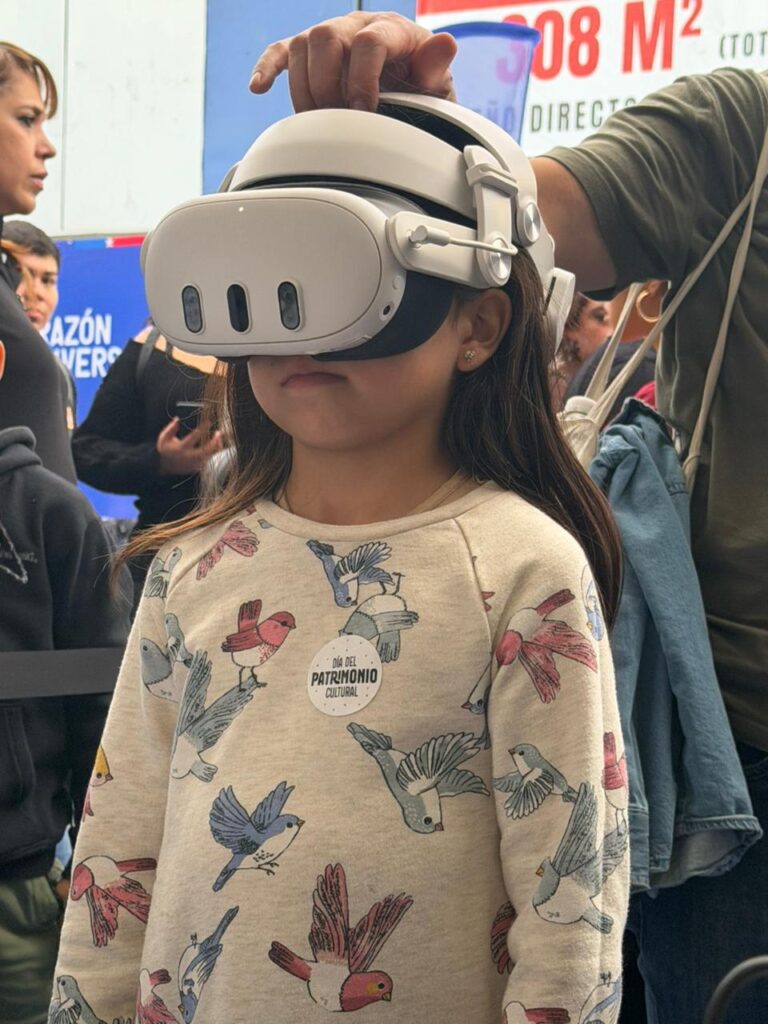
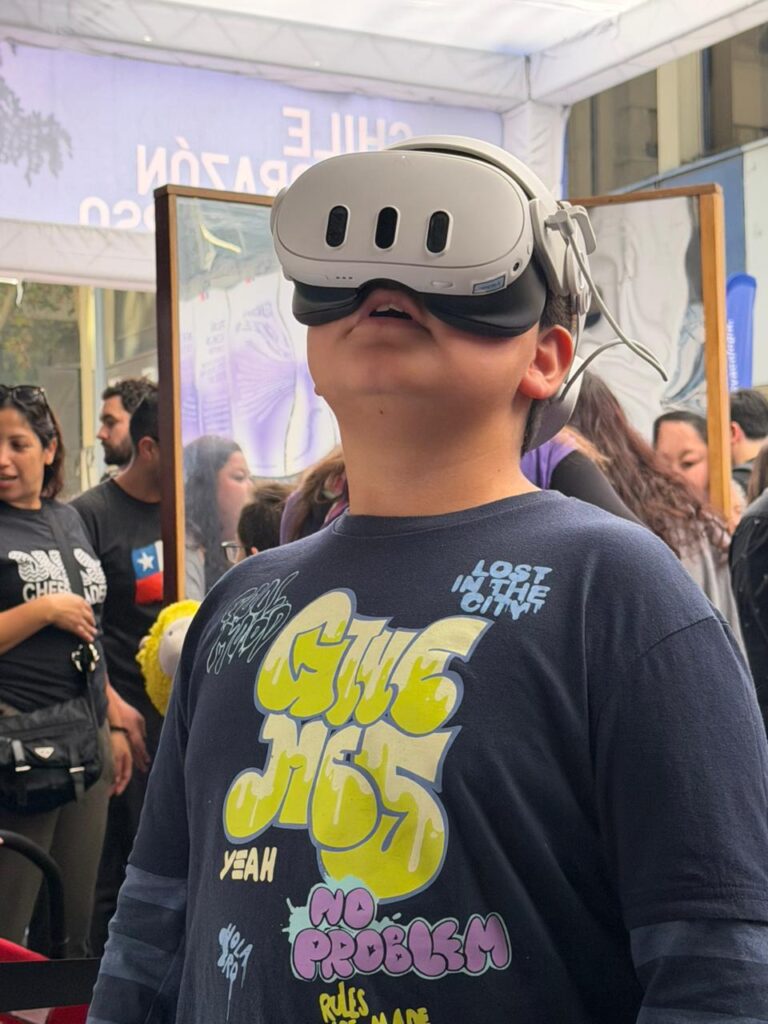
Finalmente, la experiencia culminaba con una inmersión en realidad virtual. Utilizando visores Meta Quest VR, los visitantes tuvieron la oportunidad de recorrer virtualmente las instalaciones del CERN, ingresar al túnel del LHC y observar desde una perspectiva privilegiada algunos de los detectores más sofisticados construidos por la humanidad.
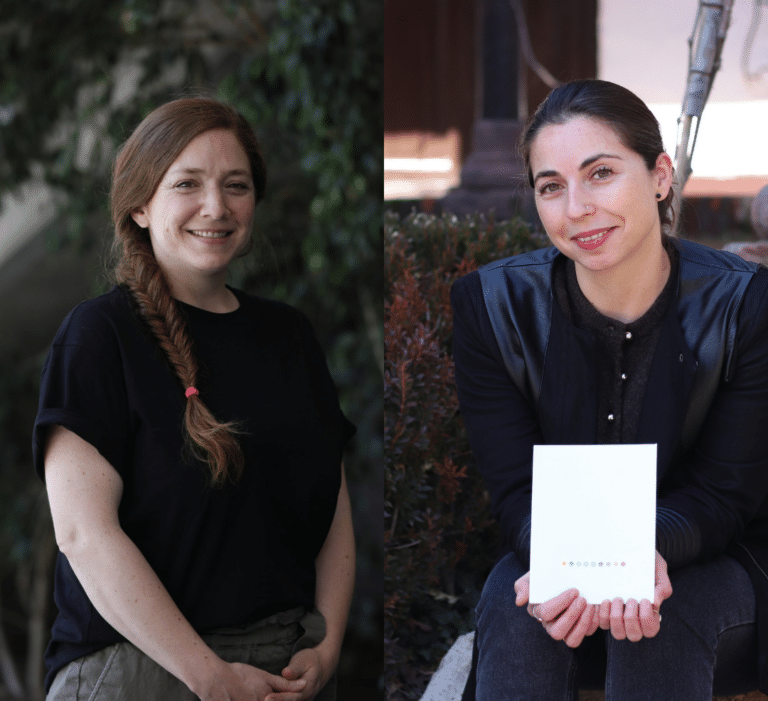
Uno de los aspectos más valorados por el público fue la posibilidad de interactuar directamente con jóvenes investigadores vinculados al instituto. Durante toda la jornada, los estudiantes de magíster y doctorado de SAPHIR Addles Castillo, Daniella Mora, Bruno Zerega, Paulo Areyuna, Benjamín Bustos, Nicolás Faúndez y Gabriel Freaczinet guiaron a los asistentes a través de la experiencia, resolviendo preguntas y compartiendo su pasión por la física de partículas y la investigación científica.
La actividad contó además con la activa participación del director ejecutivo del Instituto Milenio SAPHIR, Felipe Olivares León, y del director de Extensión, Comunicaciones y Proyección al Medio Externo, Patricio Grunert, quienes acompañaron el desarrollo de la jornada y coordinaron las distintas actividades de divulgación realizadas durante el evento.
El Instituto Milenio SAPHIR es un centro de investigación financiado por la Iniciativa Científica Milenio de la Agencia Nacional de Investigación y Desarrollo (ANID), programa impulsado por el Ministerio de Ciencia, Tecnología, Conocimiento e Innovación del Gobierno de Chile. A través de este financiamiento, el instituto desarrolla investigación de frontera en física de partículas, forma nuevas generaciones de científicos y científicas, y promueve iniciativas que acercan el conocimiento a la sociedad.
La exitosa participación en el Día de los Patrimonios 2026 demuestra que existe un creciente interés ciudadano por comprender cómo funciona la ciencia moderna y cuál es el aporte que realiza Chile en grandes colaboraciones internacionales. Más allá de los números, la jornada permitió que miles de personas experimentaran de manera directa cómo la investigación científica puede transformarse en una experiencia cercana, entretenida y accesible para todas las edades.
Lo ocurrido durante el Día de los Patrimonios es parte de una historia que continúa escribiéndose en distintos puntos del país. Concebida como una experiencia itinerante, LHC: An Immersive Experience ha permitido que miles de personas se acerquen al fascinante mundo de la física de partículas y al trabajo que Chile desarrolla junto al CERN. Solo durante 2026, la muestra ha visitado dos regiones del país y ha congregado a más de 30.000 personas, confirmando el enorme interés ciudadano por conocer cómo se construye el conocimiento científico y cuál es el papel que desempeñan investigadores e investigadoras chilenas en algunas de las colaboraciones científicas más importantes del mundo. A través de cada una de sus estaciones, del diálogo directo con estudiantes e investigadores y de la posibilidad de recorrer virtualmente las instalaciones del laboratorio europeo, la experiencia ha logrado derribar barreras y acercar la ciencia de frontera a públicos de todas las edades y procedencias.
El Instituto Milenio SAPHIR continuará impulsando esta iniciativa durante los próximos meses, llevando la experiencia a nuevos espacios culturales, educativos y ciudadanos, con el propósito de seguir fortaleciendo el vínculo entre la investigación científica y la sociedad.
Porque si el patrimonio habla de aquello que una sociedad valora, preserva y transmite a las futuras generaciones, la ciencia también tiene un lugar en esa historia. Y durante una jornada, en pleno centro de Santiago, miles de personas pudieron viajar desde Chile hasta el corazón mismo del CERN sin salir de la ciudad.