
La línea de Física Teórica de Altas Energías del Instituto Milenio SAPHIR desarrolla investigación orientada a comprender las partículas fundamentales y las interacciones que gobiernan el universo a escalas subatómicas. Su trabajo combina teoría cuántica de campos, fenomenología de partículas y herramientas computacionales avanzadas para interpretar los resultados obtenidos en experimentos internacionales de frontera, como el experimento ATLAS del Gran Colisionador de Hadrones (LHC) del CERN.
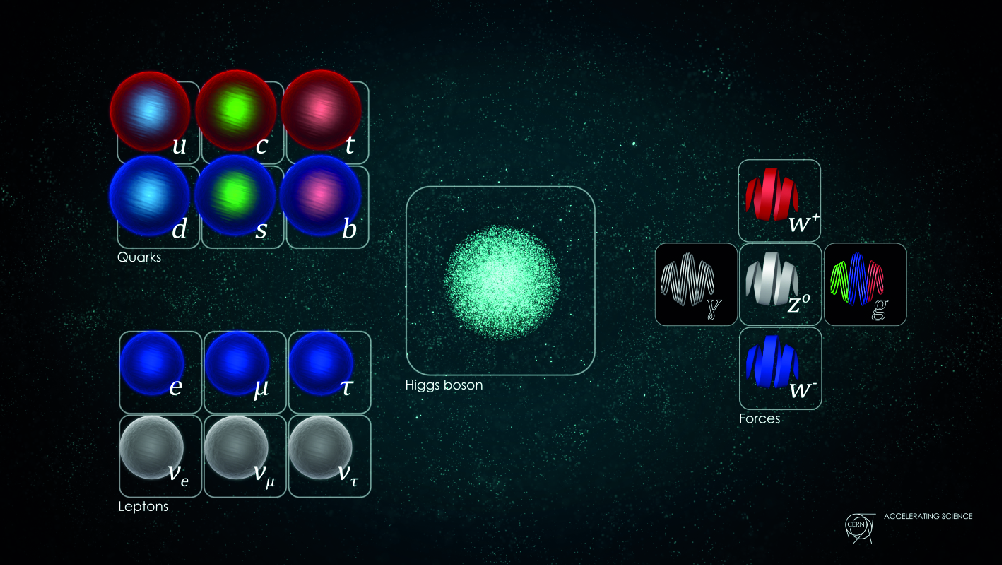
El marco teórico que describe actualmente la física de partículas es el Modelo Estándar, una de las teorías científicas más exitosas desarrolladas hasta la fecha. Esta teoría explica con gran precisión tres de las cuatro interacciones fundamentales conocidas: la interacción electromagnética, la interacción nuclear fuerte y la interacción nuclear débil. Sin embargo, la gravedad no se encuentra incorporada en esta descripción cuántica, y aún existen fenómenos que el Modelo Estándar no logra explicar completamente, como la naturaleza de la materia oscura, el origen de la masa de los neutrinos o ciertas asimetrías observadas en el universo.
Parte del equipo académico de SAPHIR trabaja precisamente en el estudio y refinamiento del Modelo Estándar, desarrollando nuevos métodos teóricos y computacionales para analizar los enormes volúmenes de datos generados por los experimentos de colisión de partículas. Estas investigaciones incluyen simulaciones, análisis fenomenológicos y el desarrollo de herramientas de inteligencia computacional aplicadas a la física experimental de altas energías.
Junto con ello, investigadores e investigadoras del instituto exploran propuestas de física más allá del Modelo Estándar, buscando nuevas teorías capaces de describir de manera más completa las propiedades fundamentales de la materia y las interacciones del universo. Estas líneas de investigación posicionan a SAPHIR como un actor relevante en la colaboración científica internacional vinculada a la física de partículas contemporánea.