
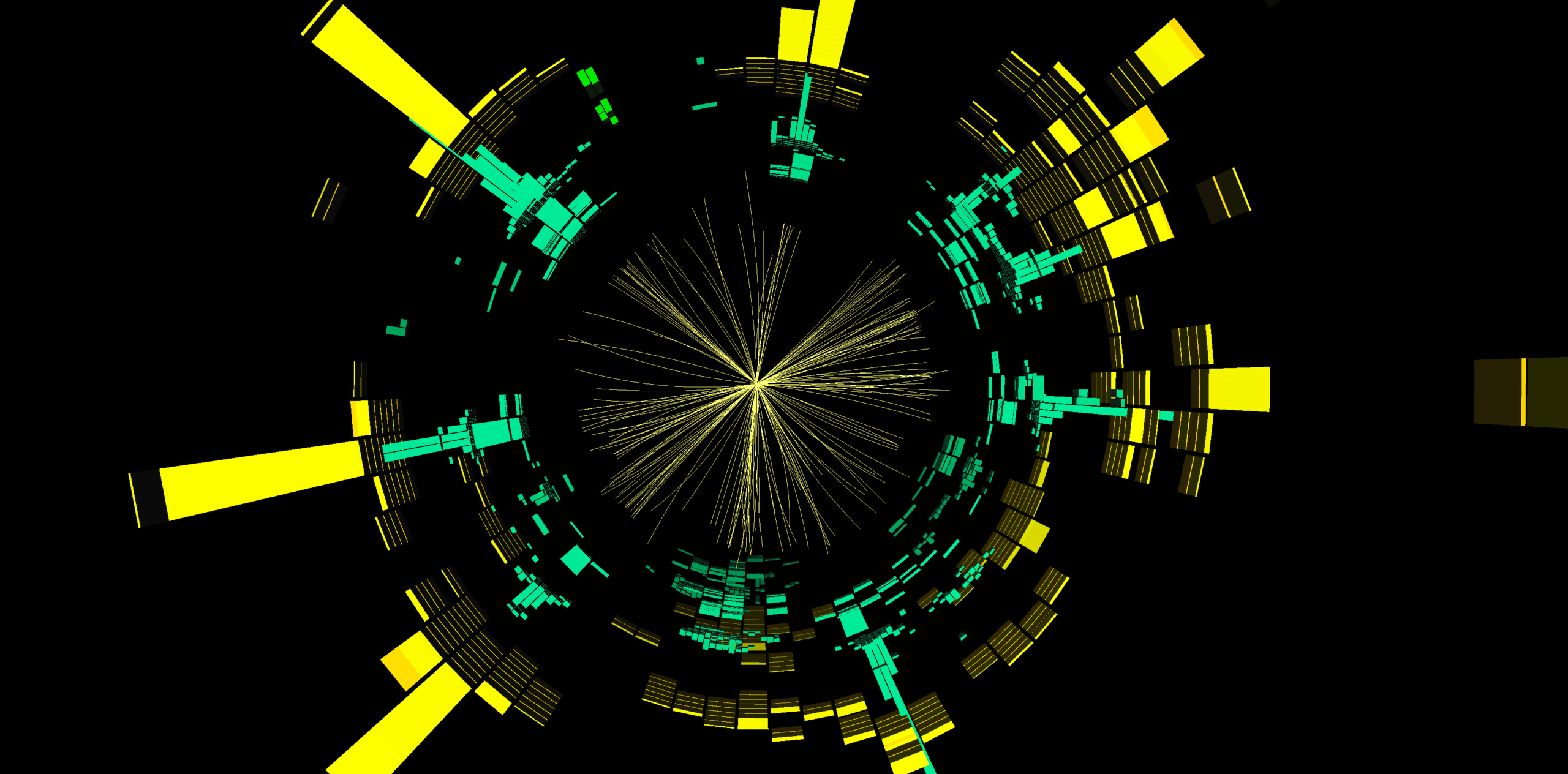
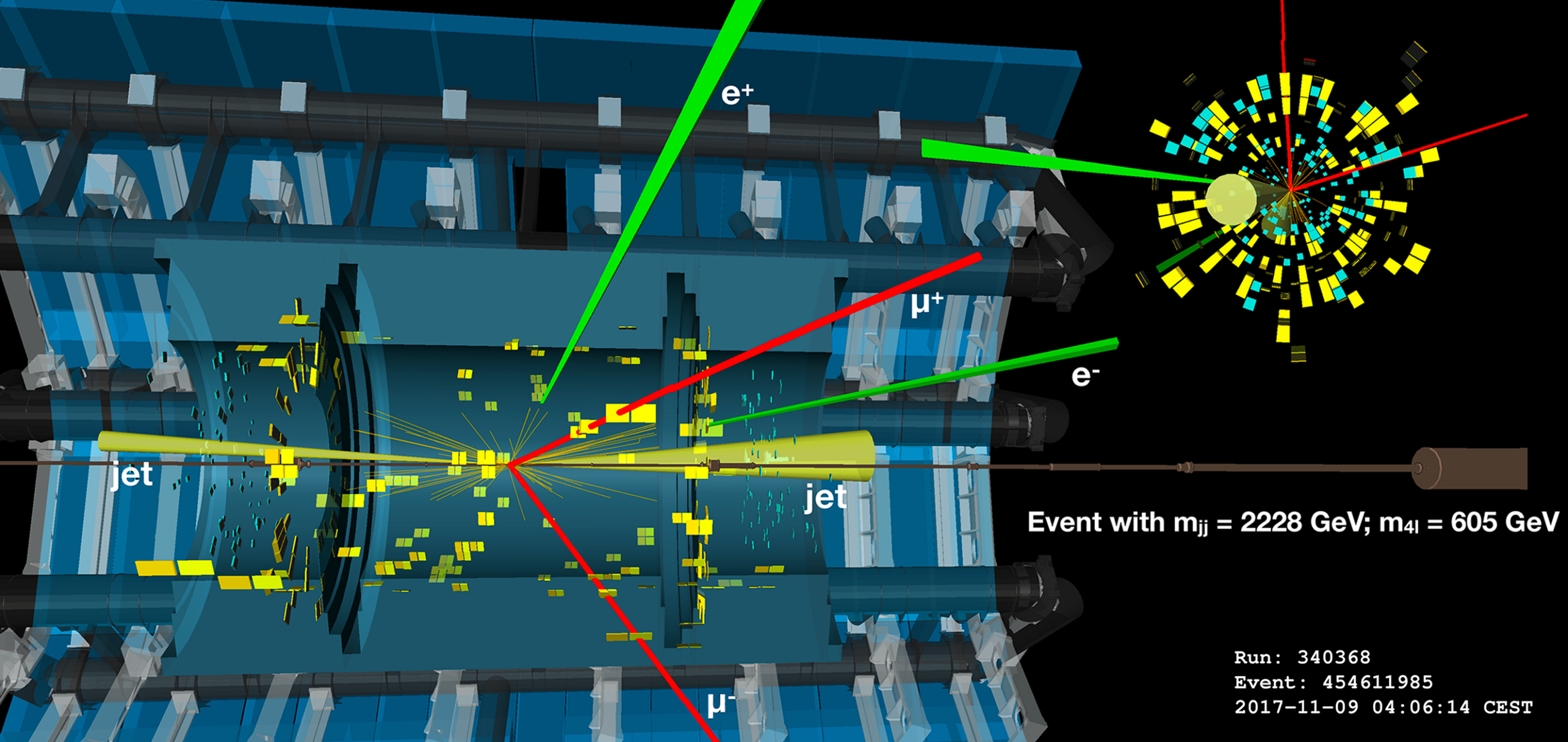
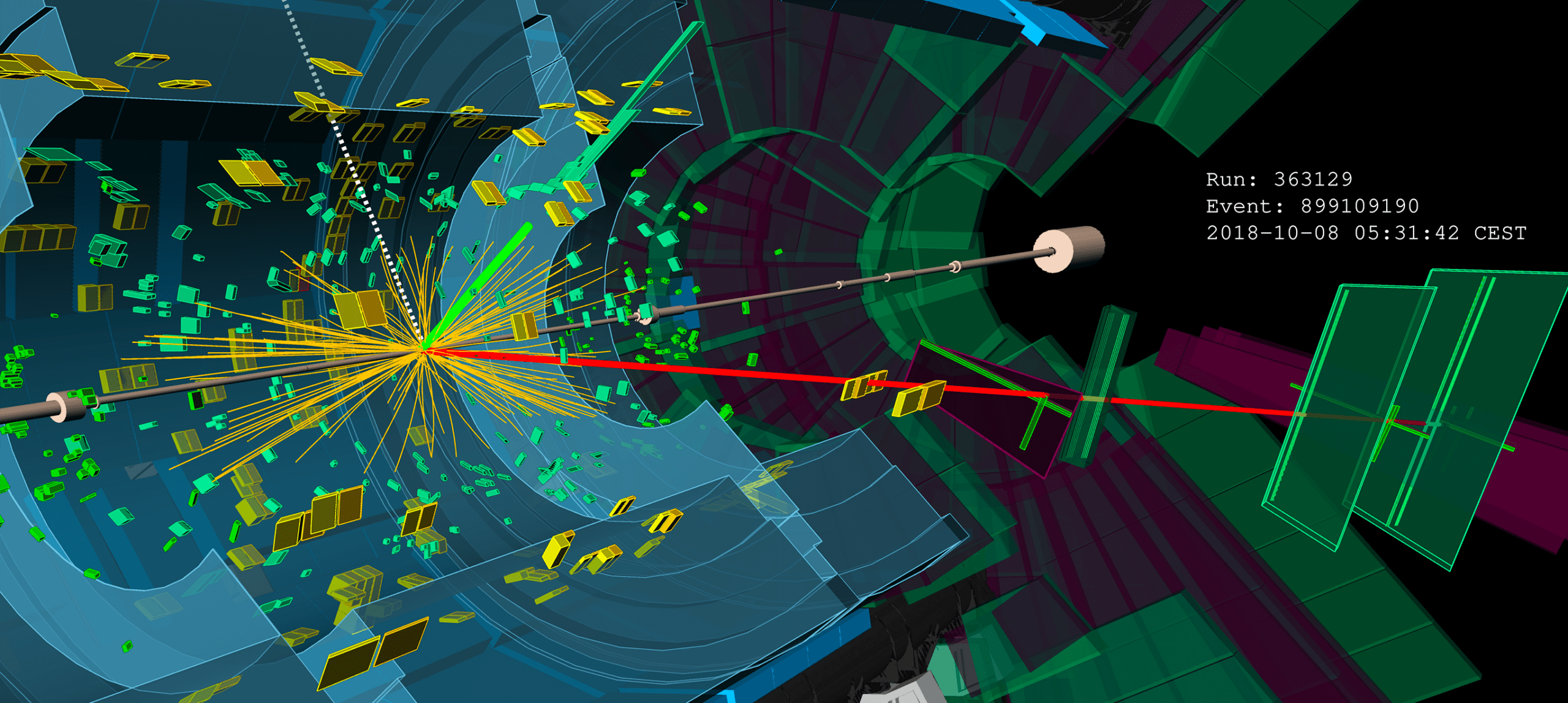
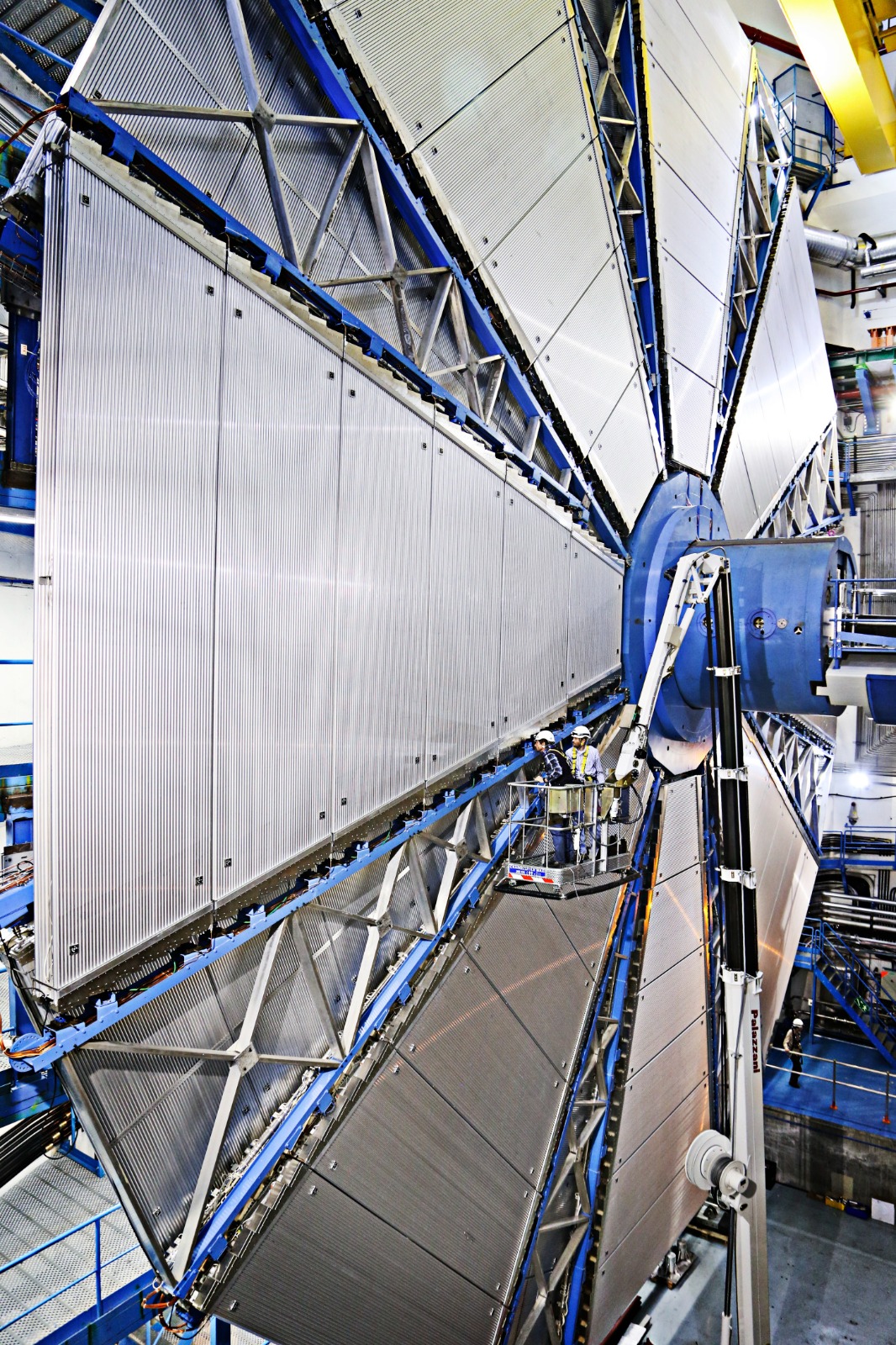
Atlas es uno de los cuatro experimentos más importantes del Gran Colisionador de Hadrones (LHC) en el CERN. Se trata de un experimento general de física de partículas impulsado por colaboración internacional y, junto con el Solenoide Compacto de Muones (CMS), está diseñado para sacar provecho de su potencial de descubrimiento y del amplio rango de oportunidades en física que provee el Gran Colisionador de Hadrones.
El experimento Atlas es usado por los grupos de investigación para comprobar si las predicciones del Modelo Estándar de la física es correcto. El Modelo Estándar encapsula nuestro conocimiento actual sobre la composición de la materia y cómo interactúan sus ladrillos fundamentales: protones, electrones, neutrones, fotones, quarks, muones, bosones.
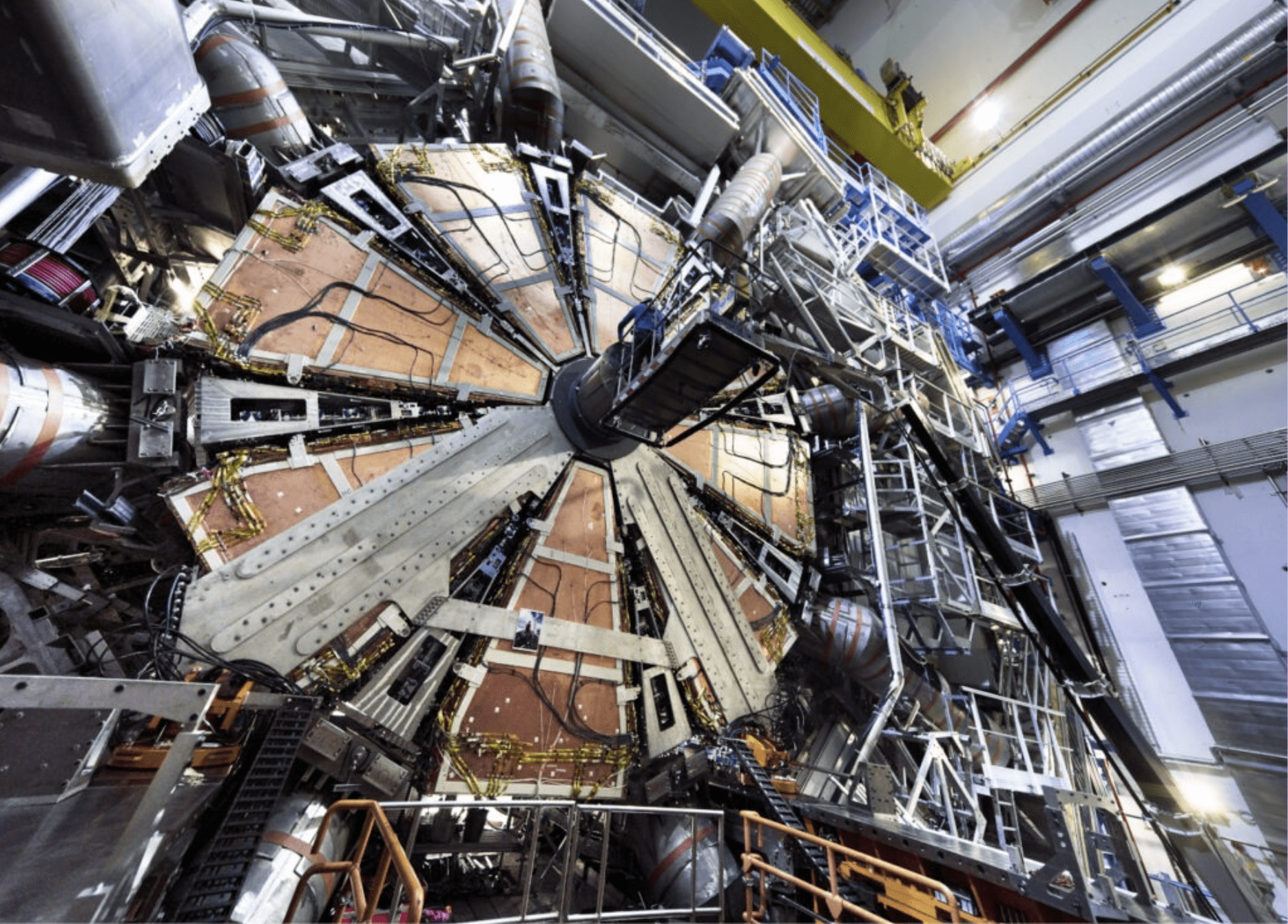
El Instituto Milenio SAPHIR ha consolidado su presencia en la vanguardia de la física de partículas a través de una colaboración creciente con el experimento ATLAS del CERN, uno de los detectores más importantes del Gran Colisionador de Hadrones (LHC). Durante la Fase II de modernización del detector, SAPHIR ha contribuido en diversos aspectos clave del proyecto, reafirmando el rol de Chile en la ciencia de frontera a nivel internacional. Entre sus aportes más destacados se encuentra la participación en el diseño y producción del sistema de monitoreo de carga del espectrómetro de muones (TGC Charge Monitoring System), una parte esencial para mejorar la precisión en la detección de estas partículas fundamentales.
Además, el equipo vinculado a SAPHIR ha colaborado activamente en el desarrollo del sistema de enfriamiento del nuevo tracker interno (iTK), una tecnología crucial que reemplazará por completo al actual detector de trazas. Investigadores del instituto también han trabajado en la producción del sistema MOPS-HUB, y han liderado el diseño y la fabricación de la carcasa ambiental que protegerá la sección de barril del iTK durante su ensamblaje. Esta última fase se realiza en el Rutherford Appleton Laboratory (RAL) en el Reino Unido, con participación directa de científicos sudamericanos. Finalmente, la Pontificia Universidad Católica de Chile, a través de SAPHIR, desempeña un papel central en el aseguramiento de calidad del cableado flexible (FLEX) del detector, garantizando que cada componente cumpla con los estándares rigurosos del CERN. Estas contribuciones reflejan el impacto creciente del instituto en uno de los experimentos más ambiciosos de la ciencia moderna.