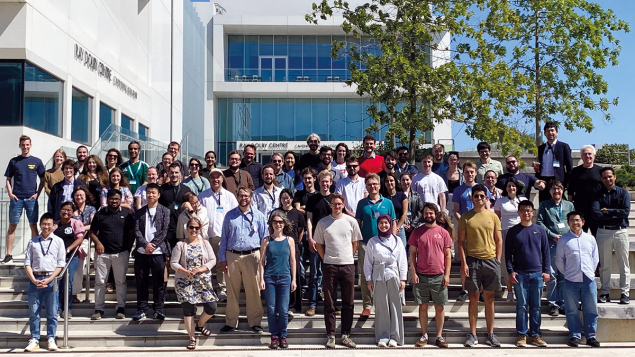
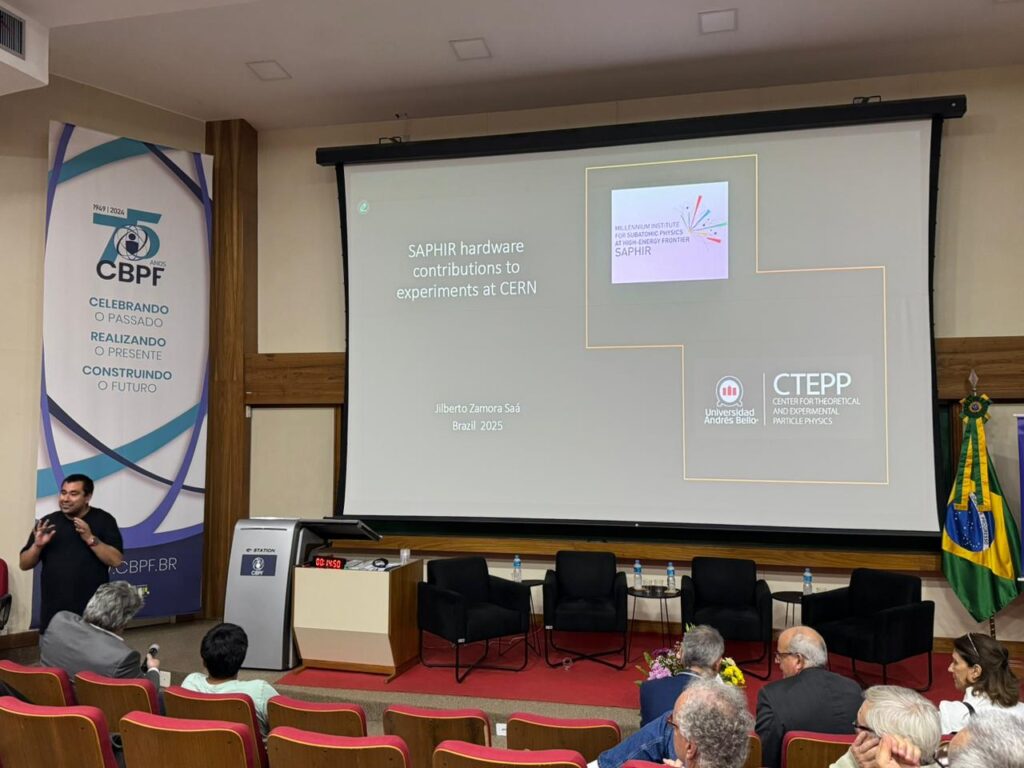
El pasado 14 de noviembre, la ciudad de Río de Janeiro fue sede del CLAF Symposium, organizado por el Centro Latinoamericano de Física (CLAF), instancia orientada a fortalecer la cooperación científica regional y promover el intercambio de conocimientos en torno a los desafíos contemporáneos de la física. El encuentro reunió a investigadores consolidados, representantes institucionales y centros de investigación latinoamericanos, fomentando la discusión sobre avances tecnológicos, formación de talento y perspectivas de colaboración para los próximos años. Fundado en 1962 con el apoyo de la UNESCO, el CLAF nació tras una serie de Escuelas Latinoamericanas de Física que comenzaron en 1959 en México y continuaron en Argentina y Brasil, iniciativas que llevaron a figuras como Juan José Giambiagi, José Leite Lopes y Marcos Moshinsky a impulsar la creación de un centro dedicado a la ciencia en la región. Desde entonces, el CLAF se ha consolidado como una plataforma clave para la formación, la movilidad académica y la integración de la física latinoamericana, promoviendo programas de becas, intercambios científicos y espacios de encuentro que han marcado hitos en la historia de la disciplina.
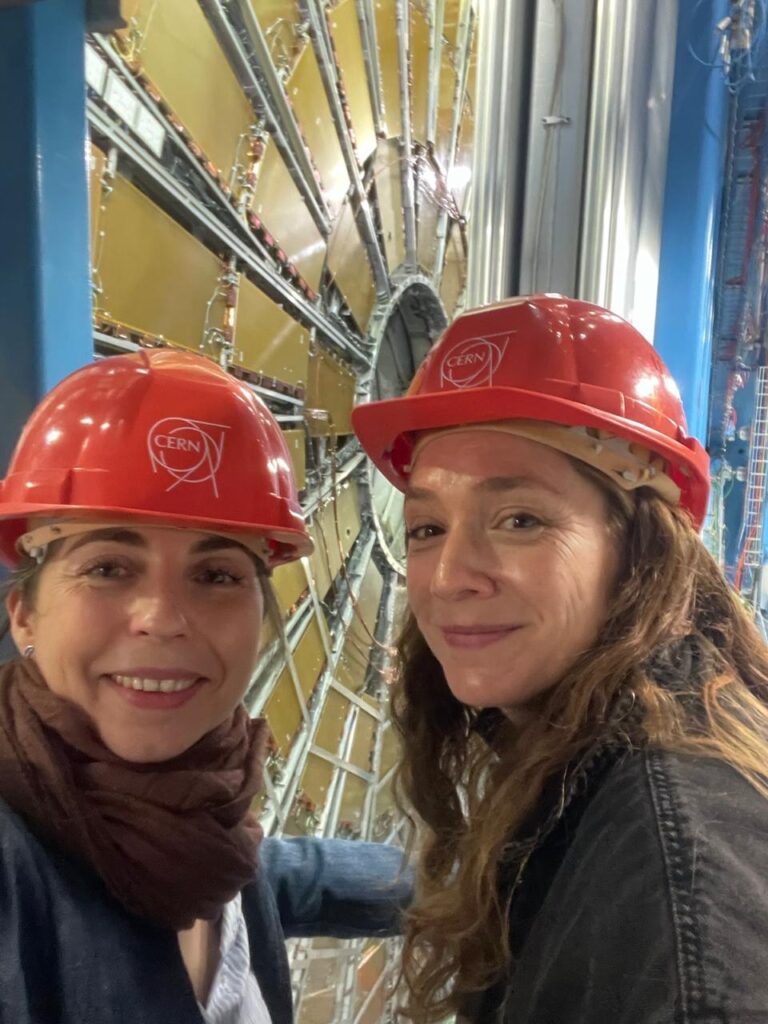
En representación del Instituto Milenio SAPHIR, participó el Dr. Jilberto Zamora, investigador asociado del Instituto y académico de CTEPP–UNAB. Durante su exposición, presentó un detallado panorama de las contribuciones chilenas a los experimentos de frontera desarrollados en el CERN, destacando los avances del equipo en proyectos como ATLAS, SND@LHC, NA-64 y SHiP. Zamora profundizó en el rol de SAPHIR en la implementación del nuevo sistema MOPS-HUB para el detector ITk del experimento ATLAS, cuya producción y control de calidad se realiza tanto en laboratorios del CERN como en instalaciones de la Universidad Andrés Bello en Chile, posicionando al país en el desarrollo de hardware científico especializado.
Asimismo, abordó el programa de física de neutrinos mediante el experimento SND@LHC, donde el equipo chileno diseñó y construyó la ColdBox —una estructura con recubrimientos de polietileno borado y acrílico orientada a mitigar el flujo neutrónico— y participa activamente en análisis de datos, mediciones de flujo, prototipado y pruebas de detectores para futuras versiones del experimento.
También presentó los avances en NA-64, iniciativa dedicada a la búsqueda de fotones oscuros, para la cual SAPHIR ha contribuido con la construcción de detectores, simulaciones, un sistema SRD basado en cristales LYSO y el diseño de una plataforma de calibración de hasta ocho toneladas para HCAL, con precisión submilimétrica y control automatizado.
Finalmente, Zamora subrayó que estas contribuciones no solo consolidan la presencia chilena en experimentos de vanguardia, sino que impulsan capacidades nacionales en investigación, ingeniería y formación de nuevas generaciones científicas.
Por su parte, el director del área internacional de SAPHIR, Jack Brady, participó en el Panel “Chilean Participation and Association to CERN”, junto al Dr. Hayk Hakobyan, Director Alterno de CCTVal, y Rodrigo Pacheco, Director Ejecutivo de CCTVal. En dicho espacio, Brady destacó los mecanismos que han permitido a Chile fortalecer su participación en el CERN, el rol articulador de SAPHIR en proyectos colaborativos de alto impacto y la necesidad de potenciar la infraestructura científica nacional para consolidar un ecosistema sostenible de investigación avanzada. La instancia permitió visibilizar el camino que hoy recorre el país para integrar capacidades tecnológicas, talento joven y cooperación internacional, proyectando un posicionamiento cada vez más robusto en la física de altas energías y en la producción de conocimiento científico de frontera.