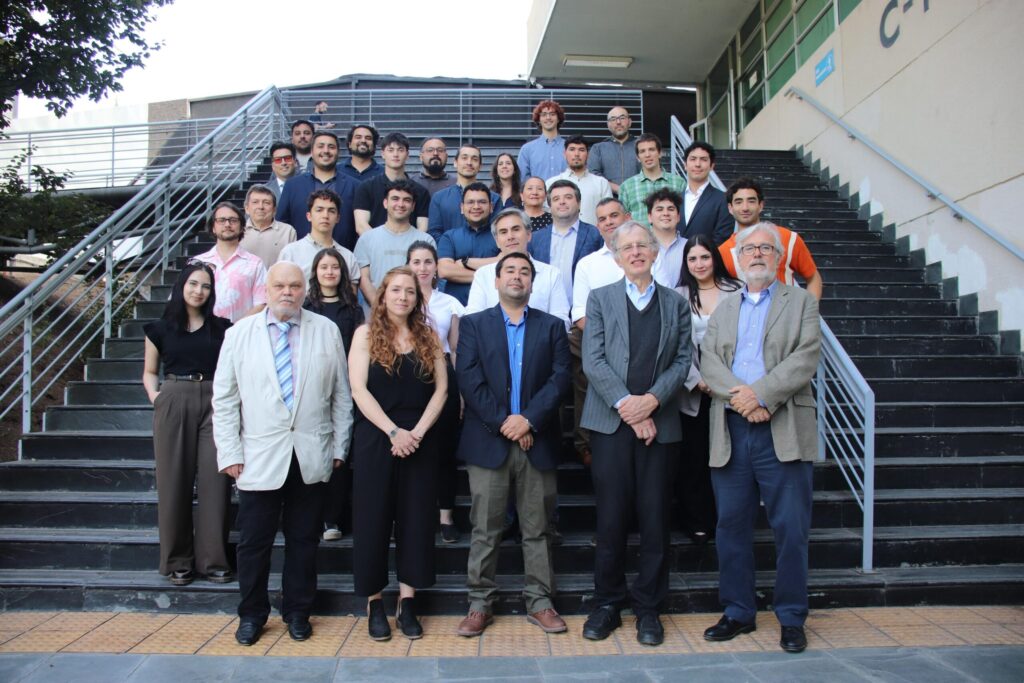
Con la visita de destacados evaluadores internacionales, el Instituto Milenio presentó su balance quinquenal en la Universidad Andrés Bello, destacando avances científicos, formación de estudiantes y el fortalecimiento de redes globales en física de partículas
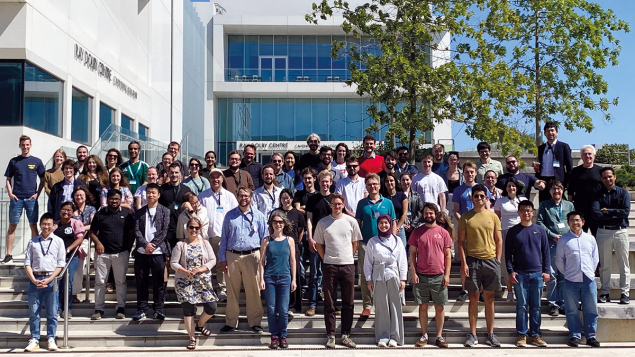
El miércoles 19 de noviembre se llevó a cabo en el Campus Casona de la Universidad Andrés Bello la reunión quinquenal del Instituto Milenio SAPHIR, un hito fundamental dentro del proceso de evaluación y proyección estratégica del centro. La instancia permitió revisar los avances alcanzados durante los primeros cinco años de funcionamiento, consolidar los logros científicos y formativos, y proyectar los principales desafíos para la segunda mitad del periodo.
Los Institutos Milenio —financiados por la Agencia Nacional de Investigación y Desarrollo (ANID)— son iniciativas de investigación de excelencia con una duración de hasta diez años. Estas entidades se caracterizan por su alto impacto científico, el desarrollo de capital humano avanzado y su capacidad para articular redes interdisciplinarias de alcance nacional e internacional.
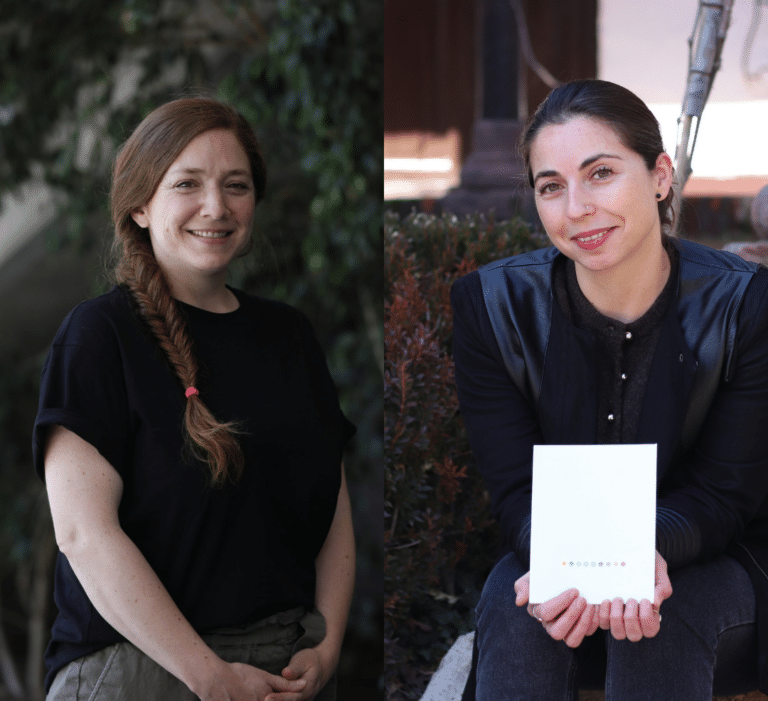
En este contexto, la presentación de la cuenta pública estuvo a cargo de la Dra. Francisca Garay, directora alterna de SAPHIR y académica del Instituto de Física de la Pontificia Universidad Católica de Chile, quien destacó que esta instancia “nos permitió juntarnos como grupo, discutir nuestros temas, evaluarlos y ver cómo nos proyectamos para los próximos cinco años”. Garay señaló que, al revisar el trabajo realizado, el equipo constató que “hemos hecho mucho; hubo actividades que incluso habíamos olvidado, pero que muestran que logramos organizarnos y construir un programa sólido”, enfatizando que este avance ha sido posible gracias a investigadores asociados, estudiantes, ingenieros y técnicos que “han sido fundamentales en el desarrollo de nuestra investigación”.
La comisión evaluadora estuvo compuesta por destacados científicos internacionales, entre ellos el profesor R. Christof Wöll, doctor en Física por la Universidad de Göttingen y director del Institute of Functional Interfaces del Karlsruhe Institute of Technology (KIT), reconocido por su labor en física y química de superficies, el desarrollo de técnicas avanzadas de caracterización y el estudio de estructuras metal-orgánicas (MOFs); y el físico brasileño Dr. Ignacio De Bediaga, PhD por la Universidad de Turín y profesor titular del Brazilian Center for Physics Research (CBPF), especialista en física experimental de altas energías y coordinador del INCT CERN Brasil. Para Sergey Kuleshov, director del Instituto Milenio SAPHIR y profesor titular de la Facultad de Ciencias Exactas de la UNAB, contar con evaluadores de este nivel es fundamental, pues “son personas de muy alto nivel y con gran experiencia”, destacando además que “estas personas nos entienden, y eso es muy importante”, lo que refuerza la relevancia y exigencia del proceso evaluativo internacional.
Desde ANID, el representante Mauricio Maldonado explicó que la evaluación quinquenal analiza cómo ha funcionado el centro durante sus primeros cinco años y revisa el plan de continuidad para el siguiente periodo. Maldonado subrayó que se trata de una instancia “vinculante”, ya que, si los pares internacionales determinaran un desempeño insuficiente, el centro podría no continuar. Agregó que esta evaluación permite garantizar que “los recursos públicos se están gastando bien, de buena forma”, y que el programa Milenio cumple con sus objetivos de impulsar investigación de excelencia, formar jóvenes, promover colaboraciones nacionales e internacionales y fortalecer la divulgación del conocimiento.
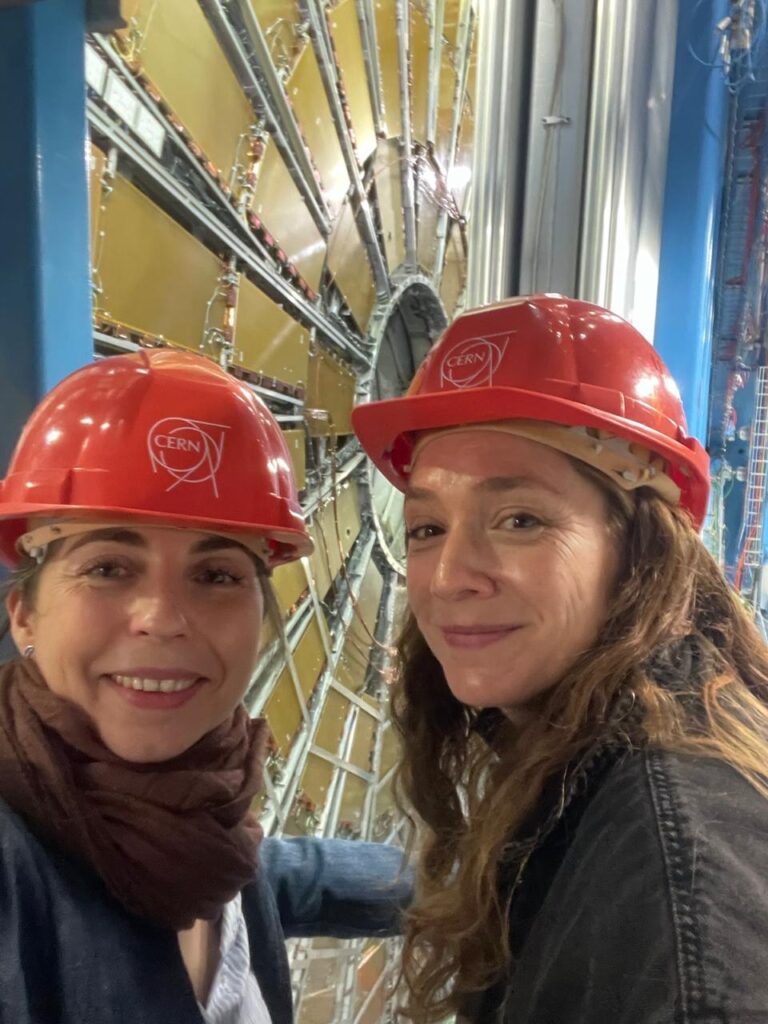
El impacto formativo de SAPHIR también fue destacado durante la jornada. Jaime Romero, investigador del Instituto Milenio SAPHIR y miembro del Centro Chileno de Energía Nuclear (CCHEN), comentó que la colaboración con diversas instituciones ha sido “muy virtuosa”, permitiendo formar estudiantes, viajar al CERN para participar en experimentos y contribuir al desarrollo de detectores usados en investigaciones internacionales. Romero, quien será lecturer en la primera versión en Chile del CERN Summer School, añadió que la interacción con estudiantes de múltiples universidades ha sido especialmente valiosa, ya que “muchos realizan pasantías y luego continúan con sus tesis en nuestros equipos”, fortaleciendo así las redes científicas del país.
Para la Universidad Andrés Bello, una de las instituciones albergantes de SAPHIR, este quinquenio representa un logro significativo. El decano de la Facultad de Ciencias Exactas, Pierre Romagnoli, expresó que cuesta creer la cantidad de avances logrados en tan poco tiempo, señalando que “en cinco años hemos hecho tantas cosas”. Recordó que el trabajo desarrollado desde 2018 fue clave para que Chile ingresara al CERN, ya que el equipo demostró “ser capaz de contribuir con desarrollos concretos”. Romagnoli destacó además el espíritu colaborativo del instituto, indicando que “aquí no hay disputa entre instituciones; todos trabajamos juntos”, replicando el modelo internacional de cooperación que caracteriza al CERN.
La jornada concluyó con un sentido de orgullo y proyección: tras cinco años de funcionamiento, SAPHIR ha logrado consolidar un programa robusto de investigación, formación y colaboración internacional, posicionándose como un actor clave para el desarrollo de la física de partículas en Chile.