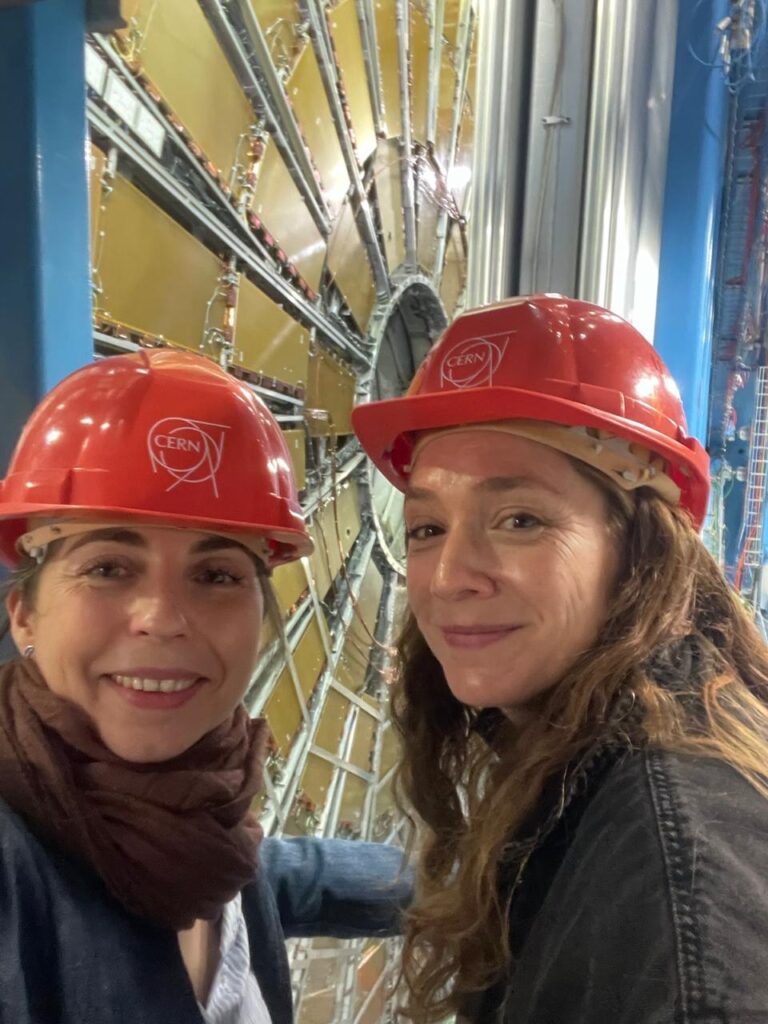

Recientemente se ha destacado en medios nacionales la noticia de que el CERN, el centro europeo para la investigación en física nuclear y de partículas, aceptó la incorporación de Chile como uno de sus estados miembros asociados. El CERN hoy alberga el experimento más sofisticado que explora los límites de las escalas subatómicas, el gran Gran Colisionador de Hadrones o Large Hadron Collider (LHC). Este experimento opera en la frontera de nuestro conocimiento tecnológico y científico. Por el Gran Colisionador de Hadrones circulan haces de protones a velocidades cercanas a la de la luz con el fin de hacerlos chocar en puntos específicos, donde las colaboraciones internacionales (incluido Chile) han construido detectores sofisticados capaces de registrar las colisiones. Y esto con el fin de entender de qué está hecha la materia y cuáles son los constituyentes básicos que se crearon en el origen del tiempo.
Dichos constituyentes (las partículas elementales) se crearon fracciones de segundos después del Big Bang, y están en el origen de la formación de estructuras más complejas, como los átomos, luego moléculas, estrellas y galaxias, con sistemas solares como el nuestro, que albergan planetas como el nuestro que contiene vida. Vida en forma de seres humanos pensantes que diseñan instrumentos, con el fin de tratar de analizar este proceso, a distintas escalas, y que cuestionan el qué pasó y cómo pasó lo que sucedió. Este reduccionismo esconde una complejidad científica tremenda, ya qué podría leerse como que el entender las partículas elementales es suficiente para entender sistemas más complejos (como los seres humanos), lo que no es así. Pero lo abrazo para el propósito de esta reflexión.
El poder ser parte de la mesa de toma de decisiones de CERN –y de ser partícipes de entender este nacer de la materia conocida– es una oportunidad que tendremos al formalizarse las firmas pendientes que lleven a Chile a ser país miembro asociado del laboratorio europeo. También tendremos la oportunidad de abrir la industria chilena a las licitaciones del CERN, y quizás generar desde nuestra industria un aporte al dinamismo económico del país. Pero llegar a este lugar privilegiado, que ha contado con cientos de contribuciones de la comunidad científica nacional y también de la ANID, deja con un sentimiento agridulce la valoración profunda del legado que nos llevó hasta aquí, y que, en mi opinión, sienta las bases para el avance futuro.
La ciencia asociada al CERN desde Chile involucra no sólo esfuerzos en física experimental de partículas, sino desde la física teórica más pura. Esto es, para algunos, algo más intangible. El decidir qué se construye y cómo se busca lo desconocido, pasa por una curiosidad intrínseca de tratar de entender el mundo que nos rodea. El proceso de pensamiento científico es lo que ha llevado a los seres humanos al desarrollo. Ejemplos desde la ciencia básica abundan. Desde entender las leyes del movimiento de Newton para poder construir nuestro mundo. Einstein tiempo después define la gravedad misma como geometría del espacio-tiempo, definición que hoy nos permite corregir certeramente la ubicación de nuestros GPS en el celular. O cómo entender los principios de la teoría cuántica nos regala hoy día poder operar nuestros computadores.
El crear modelos que predicen partículas elementales de las cuales estamos hechos hoy nos salva la vida al, por ejemplo, poder cuantificar las interacciones de los átomos de nuestro cuerpo con aparatos médicos que registran fotones (las partículas de la luz) en tratamientos contra el cáncer. El entender qué es la materia generó también la necesidad de una fuente inmensa de datos, conectados en una World Wide Web que utilizamos con frecuencia.
Es esta arista teórica y primera la que -en escalas de tiempo a veces impredecibles- permite un desarrollo de la tecnología. Y es necesario que no se pierda en la mesa de la toma de decisiones de Chile para con el CERN. No son únicamente detectores e instrumentos construidos por chilenos y chilenas los que operan -y los que podrían operar- en las máquinas del CERN. Se potencian también oportunidades para investigar en ciencia básica, en física teórica y fenomenología, y para seguir proponiendo ideas que pueden ponerse a prueba en los preciados experimentos.
Chile cuenta con una trayectoria en física teórica de partículas desde los años ’70. Naturalmente fue también la más barata de ejercer en un país en vías de desarrollo. En un inicio, nuestras predicciones requerían sólo de tinta y tiempo. Hoy requerimos de tecnología y computadores que simulan colisiones de protones. Recordemos que también fueron físicos teóricos quienes, en paralelo, tuvieron la visión de involucrar a Chile en los primeros desarrollos experimentales en física de partículas asociados al CERN. Y fueron físicos teóricos los que propusieron el famoso bosón de Higgs, descubrimiento emblema del LHC que hoy nos regala el saber por qué los electrones de nuestros cuerpos tienen masa.
Son físicas y físicos teóricos quienes también proponen nuevos colisionadores o experimentos para el CERN, y quienes también manifiestan su curiosidad intrínseca en argumentos y evidencias a las instituciones internacionales sobre el porqué se deben construir estas máquinas. Muchas veces determinamos qué características deben tener las máquinas en su diseño, para poder así explotar las propiedades de las partículas -dictadas por la teoría- para que se manifiesten en los experimentos. Es esta misma curiosidad la que debe primar y potenciarse si aspiramos a estar sentados en esa mesa de discusiones con el CERN.
Hoy trabajan desarrollando predicciones para CERN decenas de investigadores e investigadoras chilenas en física teórica de partículas. Nuestro trabajo es menos tuerca, pero igual de esencial. Es un trabajo cada vez más colaborativo junto a nuestros y nuestras colegas experimentales, con el fin de decidir qué se busca, cómo se busca y argumentar el por qué debe buscarse.
No nos olvidemos del impacto que genera en nuestras vidas el querer entender el mundo, y con ello la importancia de hacer ciencia básica en física de partículas. Y hoy, más que nunca, necesitamos seguir apostando por ella. Para que las nuevas generaciones tengan más oportunidades de las que tuvimos nosotros, colaborando aún más de cerca con el CERN, y, en libertad, puedan entregarse de lleno a los misterios del mundo subatómico. No nos olvidemos de que las preguntas más básicas, las más intangibles a simple vista, son las que, a fin de cuentas, nos hacen ser seres humanos. Honremos la misma misión del CERN en su mandato: la de descubrir de qué está hecho nuestro universo y cómo funciona.