Los muones son partículas elementales parecidas a los electrones de nuestros átomos. Pero no se encuentran en los átomos. Nos llueven como una cascada de partículas desde el cielo, al ser generados por la interacción de rayos cósmicos (como protones de alta energía) con nuestra atmósfera. Son partículas poco conocidas, pero abundan. Son casi 200 veces más masivos que los electrones. Existen por cerca de millonésimas de segundos, pero, gracias a la Relatividad Especial de Einstein, pueden recorrer grandes distancias por el espacio, como si desafiaran el tiempo. Son partículas que parecieran ser invisibles, pero las podemos ver al construir en tierra la tecnología para hacerlo. Y esto es precisamente lo que han hecho en sus vacaciones de invierno las niñas de Chile. Pero, ¿por qué quisieran las niñas detectar muones?
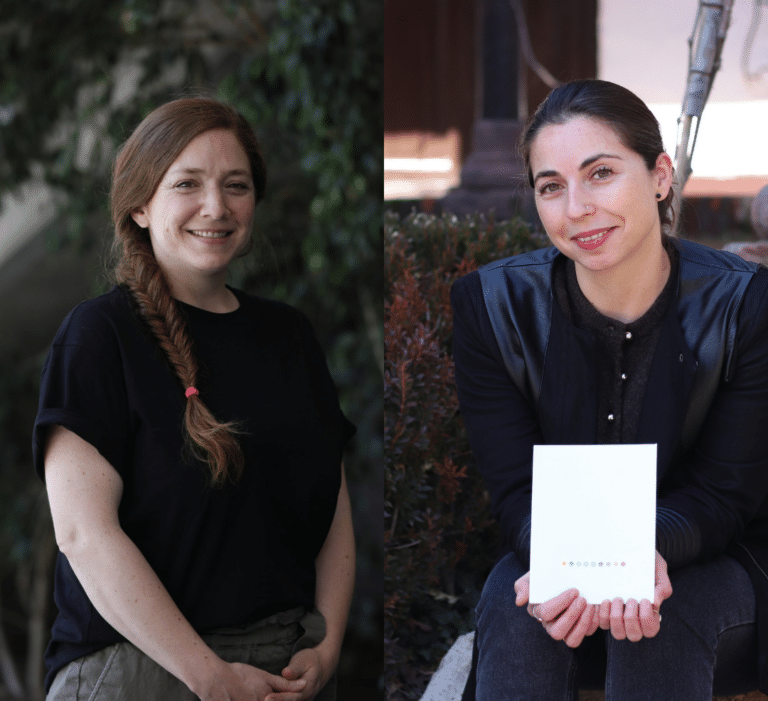
Desde el año 2022 fundamos, junto a Francisca Garay, la iniciativa Niñas Atómicas. Este es un taller científico bajo el alero del Instituto Milenio SAPHIR, en donde cerca de 30 niñas de diversas regiones de Chile, año a año tienen la oportunidad de vivir el camino de la ciencia. En este camino las guiamos. Lideramos un equipo de jóvenes científicas, quienes son a la vez tutoras de las niñas durante dos semanas, y que las acompañan y evidencian sus avances y dificultades en el taller.
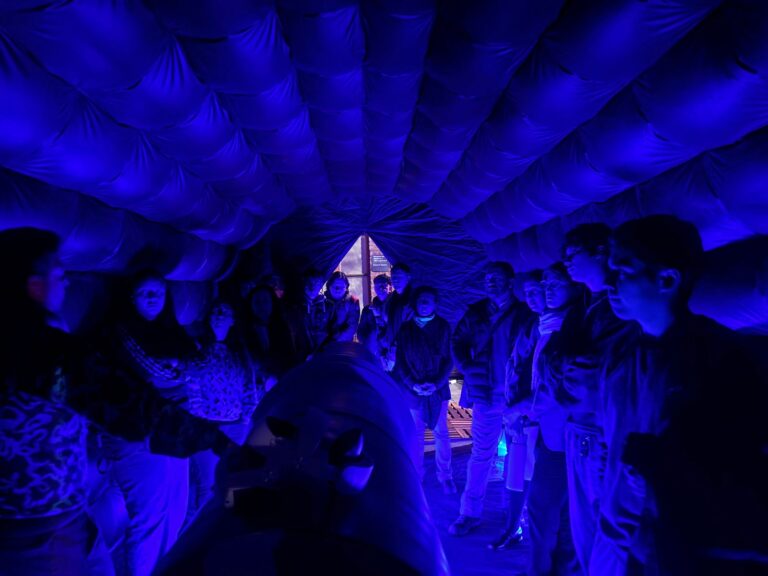
Nuestra iniciativa, que culminó su cuarta versión este 3 de julio de 2025, parte con clases teóricas online sobre física de partículas y electrónica. Las niñas generan las bases y la inspiración necesaria para luego construir sus propios detectores de muones. Vienen por dos días a los laboratorios docentes del Instituto de Física de la Pontificia Universidad Católica de Chile, donde trabajamos unidas. Luego de construir ellas mismas sus detectores que cuentan muones, toman datos en diversas condiciones. Posteriormente, les enseñamos a analizar sus datos en clases prácticas de programación. A lo largo de este proceso, las instruimos en la importancia que tiene el ser capaces de formular preguntas concretas si uno desea entender los fenómenos de la naturaleza. Con esto, las niñas finalizan el taller reportando sus resultados de investigación en torno a alguna curiosidad que les generaron los muones (como por ejemplo, ¿cambia el número de muones que detecto si muevo el detector de posición?).
Lo anterior ejemplifica un proceso de pensamiento científico. Y esto es lo que nos interesa; que las niñas se expongan a este proceso, desde temprana edad y en un espacio ameno, para poder hacerlo en libertad. Y así atreverse a cuestionar. El pensar críticamente sobre algo pasa por tener dudas acerca de ese algo. Por ejemplo, puedo preguntar, ¿qué son los muones? Si quiero saber qué son los muones, procedo a desarrollar una metodología para acceder a este saber. A esto se le llama el «método científico». Pero no es una receta. Es una manera de pensar para poder acceder al conocimiento del mundo. Una manera de pensar crítica, que hace y genera preguntas, que requiere de arduo esfuerzo y compromiso para poder contestarlas, y de una humildad tremenda al tener que abrazar diversas dificultades técnicas (y también humanas) en torno al desarrollo de ideas y de experimentos complejos.
Y sabemos que, enfrentarse a este proceso, tiene valor en sí mismo. Y este valor comienza a acumularse desde antes si comienzan desde niñas a cuestionar las cosas. Confiamos en que este proceso no sólo las prepare para un mundo incierto, donde saber hacerse preguntas claras puede impactar incluso en su propio bienestar, sino que les dé la oportunidad de adquirir habilidades transversales y cotidianas. Pueden cuestionarse cómo funcionan los aparatos electrónicos que usan todos los días. Se acercan al mundo de la programación, y comienzan a vislumbrar que pueden ser capaces de traducir ideas humanas a un lenguaje lógico que las computadoras saben interpretar. Tienen la oportunidad de conocer estos lenguajes y así, la oportunidad de no quedarse atrás en el desarrollo de las nuevas tecnologías.
Finalmente, están en condiciones de poner a prueba sus propias predicciones y llegar a sus propias conclusiones. A veces con información incompleta, al, por ejemplo, tener que tomar decisiones respecto de sus datos y tener que finalizar sus informes de investigación en un plazo acotado, incluso si les falló el experimento. Esto ocurre también con frecuencia en nuestro desarrollo profesional. Todas estas cosas ocurren o son frutos de vivir el camino de la ciencia. Existe una resiliencia innata en el camino de las ciencias.
Confiamos entonces, no a ciegas, sino gracias a que vivimos y hacemos ciencia, que nuestro taller les ayude a enfrentar mejor y más informadamente el mundo. Y esta preparación, estas armas, estos lenguajes, estas semillas y estos puentes, los regala la ciencia. Y la ciencia la hacen las personas, por tanto, la ciencia necesita a las niñas. El mundo necesita personas más preparadas e informadas para afrontar desafíos, a veces inesperados. Necesita de herramientas nuevas, lenguajes nuevos, nuevas ideas y nuevos caminos para ir empujando las fronteras de nuestro conocimiento. Así podremos vivir en un mundo más consciente, más interesante, más humilde y más humano.