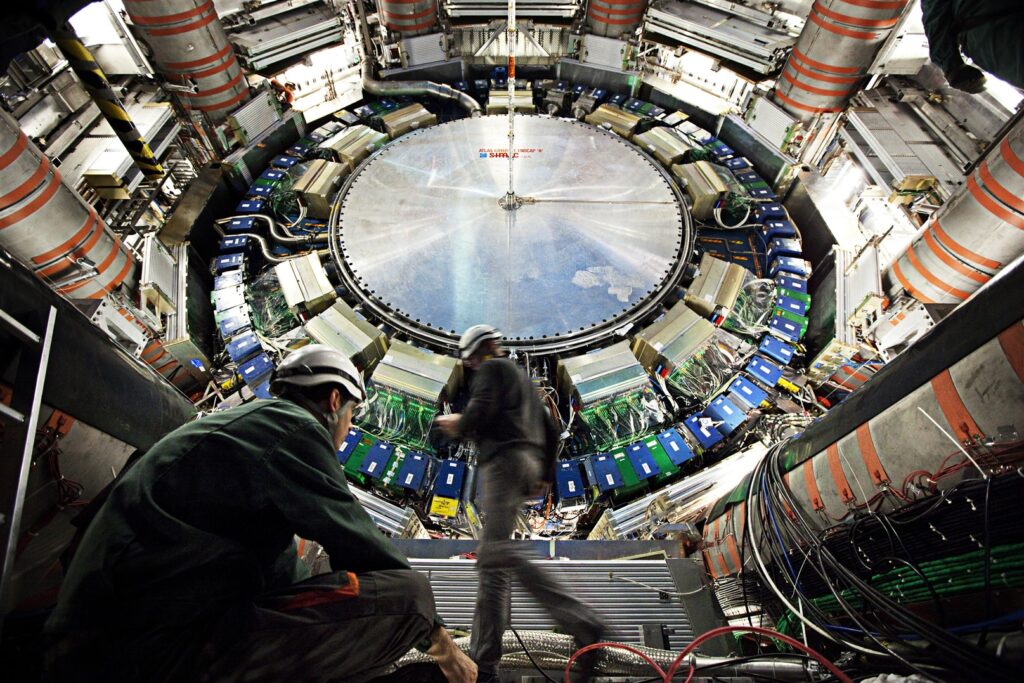
El ingeniero Cristopher Rozas, investigador del Instituto Milenio SAPHIR, forma parte del equipo internacional que desarrolla el Inner Tracker (ITk), el nuevo sistema de detección interna del experimento ATLAS en el CERN, uno de los proyectos científicos más ambiciosos del mundo. Esta actualización, parte del Phase-II Upgrade del Gran Colisionador de Hadrones (LHC), permitirá multiplicar la luminosidad del colisionador y aumentar la precisión en la búsqueda de nuevas partículas y fenómenos fundamentales de la física.
En este contexto, Rozas participa activamente en el diseño y desarrollo del Environmental Enclosure (EEn), una estructura modular que tendrá un rol esencial durante las pruebas de control de calidad del detector de píxeles del ITk. Su función será proteger los componentes del sistema durante las etapas de integración, asegurando condiciones óptimas de temperatura, humedad y hermeticidad. El EEn permitirá realizar las pruebas bajo un ambiente controlado, garantizando la estabilidad de piezas extremadamente sensibles antes de su instalación definitiva en el sector Point 1 del CERN, área donde se encuentra emplazado el experimento ATLAS.
Actualmente, el Environmental Enclosure se encuentra en una etapa de diseño mecánico centrada en la estructura principal y en los paneles herméticos que permitirán mantener las condiciones ambientales requeridas en su interior. En esta fase, el trabajo está enfocado en la validación de prototipos que permitirán consolidar un diseño final para la fabricación hacia fines de este año. Una vez completado ese proceso, se prevé que la fabricación se realice durante el primer trimestre de 2026, mientras que el ensamblaje y las pruebas iniciales —conocidas como commissioning o testeo “en vacío”— se ejecutarán durante el segundo trimestre del mismo año. Posteriormente, durante el tercer trimestre, el EEn será utilizado en las pruebas de integración con los Half Layers del Outer Barrel, una etapa fundamental que permitirá validar piezas, sistemas de detección y condiciones operativas del ITk antes de su instalación definitiva.
El diseño del Environmental Enclosure responde a un conjunto de exigencias técnicas muy específicas. Su estructura modular, fabricada con perfiles de aluminio y paneles desmontables, debe cumplir con altos estándares de precisión y resistencia. Cada componente del sistema debe pesar menos de 20 kilogramos, de modo que pueda ser manipulado por una o dos personas sin requerir maquinaria pesada, y a la vez soportar múltiples ensamblajes y desensamblajes —al menos dieciséis veces durante el proceso completo de integración del detector— sin comprometer su integridad estructural.
Otro aspecto clave del diseño es la capacidad del sistema para mantener un ambiente interno completamente controlado. A través de la inyección de aire seco, se busca evitar la formación de humedad o hielo cerca del sistema de refrigeración por CO₂ del detector, mientras que la hermeticidad del recinto impide filtraciones de aire o entrada de luz, factores que podrían alterar las mediciones durante las pruebas. En paralelo, el EEn debe incorporar interfaces técnicas conocidas como feedthroughs, que permiten el paso de señales, energía y servicios entre el interior y el exterior del recinto sin comprometer la estabilidad térmica ni la estanqueidad del sistema.
La participación de Rozas en este proyecto combina experiencia técnica, gestión de diseño y trabajo interdisciplinario. Con más de ocho años de trayectoria en proyectos de investigación aplicada y desarrollo tecnológico, ha trabajado en el diseño, fabricación y operación de equipos complejos, utilizando herramientas avanzadas de modelado y simulación como Autodesk Inventor, SolidWorks, CATIA y ANSYS FEA. Su experiencia en ingeniería de precisión y análisis estructural ha sido fundamental para optimizar decisiones antes de los procesos de fabricación, permitiendo validar soluciones desde etapas tempranas del diseño.
Actualmente, Rozas recibe entrenamiento especializado en gestión de diseños CAD-CAE para equipos complejos, lo que le ha permitido aportar de manera activa en áreas críticas del diseño mecánico y la integración de sistemas dentro del equipo internacional del ATLAS ITk. Este trabajo, en el que la ingeniería y la física se encuentran, refleja la importancia de la colaboración multidisciplinaria y el impacto del conocimiento generado desde Chile en la frontera de la ciencia mundial.
Para el investigador, ser parte de este proyecto ha significado una oportunidad única de crecimiento profesional y personal. Su trabajo en el CERN representa no solo una contribución directa al futuro de la física de partículas, sino también un ejemplo concreto del valor del talento y la formación científica impulsada por SAPHIR. A través de su participación, Rozas fortalece los lazos entre la ingeniería chilena y la comunidad científica global, contribuyendo al desarrollo de tecnologías que permitirán observar el universo con una precisión sin precedentes.
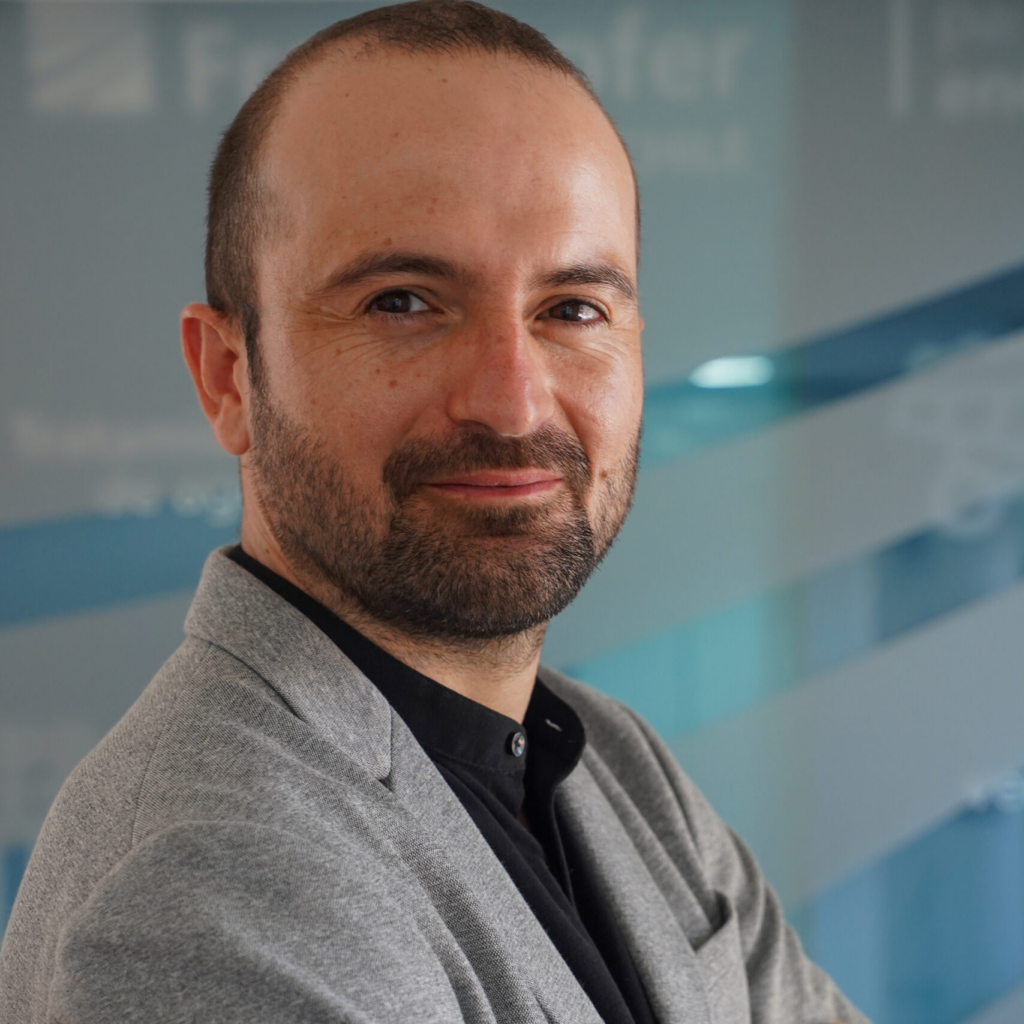
Cristopher Rozas | Ingeniero Civil Mecánico, Universidad Federico Santa María