La discusión pública nacional en torno al quehacer científico por estos días expone desafíos que invitan a reflexiones profundas y críticas sobre cómo valoramos y cómo medimos la generación de conocimiento. El proceso de generación de conocimiento para la mayoría de quienes hacemos ciencia culmina en una preciada publicación científica. Lograr publicar un artículo en una revista de prestigio internacional implica haber pasado por un proceso en donde las nuevas ideas fueron desarrolladas (lo que toma meses incluso años de trabajo) y luego juzgadas y puestas a prueba en una rigurosa revisión por pares o peer review, donde expertos en el área juzgan la originalidad y calidad de dicho artículo. Qué es una revista de prestigio y quien firma los artículos publicados en ellas depende y varía según el área de investigación.
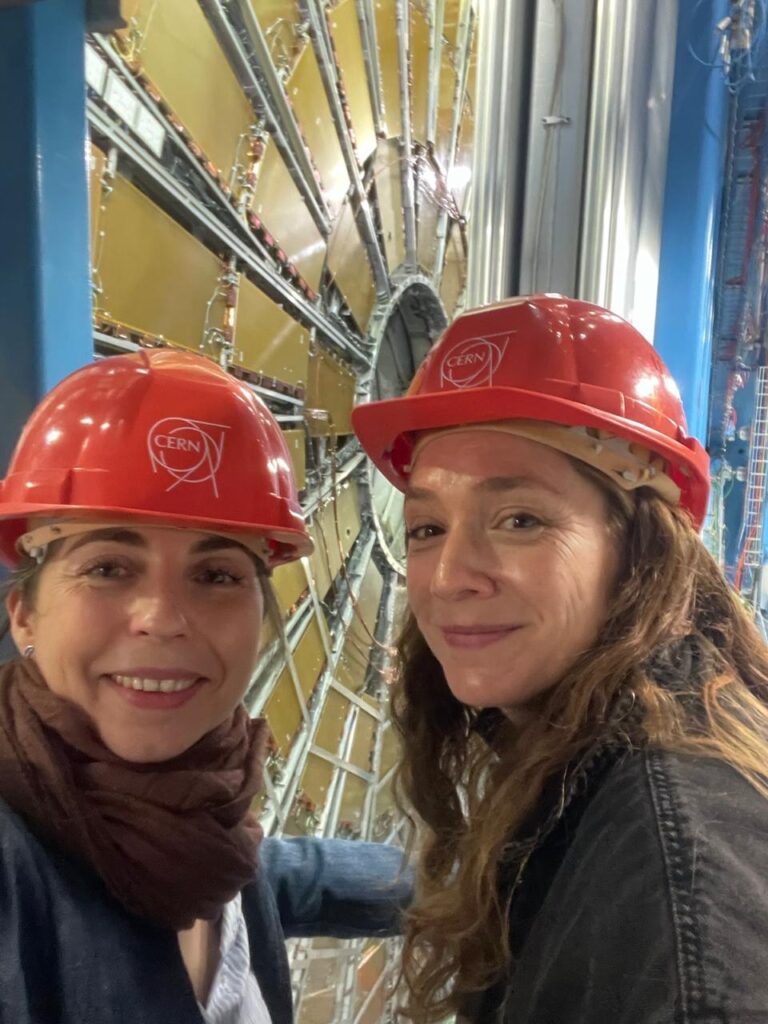
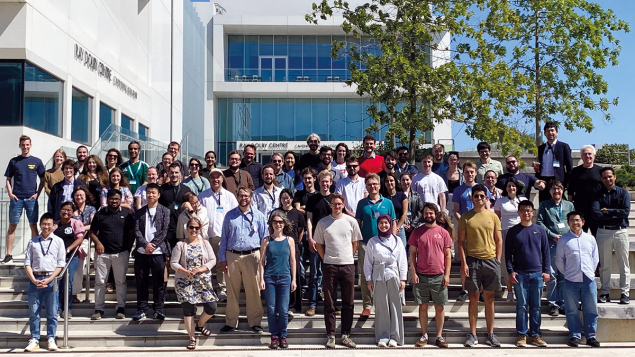
Una persona que investiga en física de partículas publica en revistas distintas a una persona que investiga en historia del arte. Y más aún, cada sub-área de investigación funciona distinto. En física teórica de partículas, por ejemplo, es usual realizar trabajos con pocos autores, entre 1 hasta quizás 10 personas. En estos artículos se pueden proponer nuevos modelos teóricos que predicen nuevas partículas elementales y donde se sugiere cómo buscarlas. En física experimental de partículas, las grandes colaboraciones en CERN publican un alto volumen de artículos donde firman miles de autores. Esto ya que el realizar las búsquedas de las nuevas partículas propuestas implica el desarrollo y la construcción de software y sofisticados instrumentos, su constante monitoreo y calibración, y un intenso análisis de datos posterior por cada modelo, que dependen de la transferencia de conocimiento especializado en la operación eficiente de un acelerador gigantesco de partículas. Este proceso requiere la necesidad del trabajo de muchas personas de diversas naciones e instituciones a lo largo del mundo, quienes firman en colaboración científica global los artículos.
Lo anterior ejemplifica la naturaleza y diversidad de publicaciones que existen en cada área específica del saber. El entender qué define el número de publicaciones y sus coautorías en cada área especializada es una necesidad y una responsabilidad de los investigadores y las instituciones, para así poder proteger el quehacer científico de abusos de incentivos monetarios. La hiperespecialización del conocimiento, donde cada área de estudio se vuelve cada vez más definida y profunda, aporta también al debate sobre cómo medimos productividad y calidad científica. Y de cómo ésta se premia.
¿Cómo se mide la productividad científica? Los productos asociados al quehacer científico y sus métricas más estándares incluyen el número de publicaciones y el número de citas que posee dicha publicación. Por cada investigador, se define un índice de productividad llamado el h-index. Si un investigador tiene por ejemplo 20 artículos y cada uno de esos artículos tiene al menos 20 citas, esto significa que su h-index es de 20. Este es un número fácil de calcular para definir la productividad individual. Sin embargo, esconde la limitante de que no permite una comparación justa entre autores de disciplinas específicas. Esto dado que no en todas se publica de la misma manera, ni con el mismo volumen ni con la misma frecuencia. Cuando el número de autores es grande, no es fácil externamente identificar los aportes individuales. Al cálculo de la productividad científica individual suele sumarse entonces la cantidad de charlas en las que el/la investigador/a ha presentado su trabajo en conferencias internacionales. Quizás la valorización acorde de seminarios institucionales, donde se presenten específicamente las contribuciones de cada charlista a su propio artículo, aportaría en el diseño de nuevas métricas de productividad más justas.
¿Cómo medimos la calidad de la productividad científica? Esto no es fácil, ya que nuevamente depende de cada área específica y las métricas usuales también poseen limitantes. La cantidad de citas de un artículo refleja la utilidad o el impacto que tiene ese artículo para la comunidad. El «factor de impacto» de las revistas científicas o journals se construye con las citas de los artículos publicados en dichas revistas y se utiliza como una métrica para medir la calidad de la revista. Si bien esta no mide la calidad ni el impacto de un artículo individual (sino del promedio de los artículos publicados en dicha revista en un cierto periodo de tiempo) es una métrica que protege, por ejemplo, de la existencia de los predatory journals o «revistas depredadoras», que amenazan también a la ciencia. Precisamente porque «predan» o se aprovechan de las lagunas institucionales. Cada semana, mi correo institucional envía a spam decenas de mensajes provenientes de estos journals. En estos correos se suele invitar a los científicos a pagar por publicar sus artículos que fueron incluso ¡ya publicados open access!
Ante las limitaciones de las métricas y las amenazas, surge entonces la siguiente reflexión. ¿Cómo podemos, desde nuestro propio quehacer científico, proteger su calidad? Medir la calidad de una científica y su ciencia basándose únicamente en su número de publicaciones es una métrica incompleta. Identificar la calidad de un artículo, de una investigación o de una idea se torna muy difícil -sobre todo en ausencia de métricas confiables- si no tenemos el tiempo necesario para juzgar el valor tanto de los productos como de los procesos asociados a la labor investigativa en la generación de conocimiento.
En cuanto a los productos, una manera de juzgar el valor de la productividad que se utiliza es desvalorizar el impacto de un artículo en función del número de autores que lo firman. Pero a veces esta desvalorización no considera los procesos específicos de cada área. Esta medida puede incluso perjudicar a otras áreas cuando las áreas no son comparables. De modo que es prudente tener métricas distintas de medición de impacto incluso para cada sub-área. Quizás, de manera transversal, las publicaciones en conjunto con estudiantes podrían tener un mayor valor.
En cuanto a los procesos, estos me parecen son más difíciles de valorar, ya que muchas veces dependen de la ética y la seriedad de nosotros como investigadores y nuestras instituciones. Las faltas éticas y falta de transparencia y rigurosidad en los procesos perjudican la calidad de la ciencia, y es de nuestra responsabilidad también discutirlas. El cómo minimizarlas puede incluir, desde mi propia experiencia, discutir de manera regular, responsable y rigurosa con nuestros grupos de investigación sobre ideas, metodologías, resultados y sobre cómo hacer estos públicos.
Protocolos de uso de plataformas de ciencia abierta como arXiv, por ejemplo, ayudan a mi parecer a proteger la transparencia, ya que así la comunidad tiene acceso libre a las investigaciones y puede evidenciar sus procesos, donde los autores podemos corregir con distintas versiones nuestros manuscritos antes de ser aceptados para publicación en los journals. El normalizar la publicación de erratums de nuestros propios artículos cuando es necesario aporta también a la rigurosidad y la transparencia en el quehacer investigativo.
Si a todo lo anterior sumamos la implementación de políticas institucionales sólidas, considero que podremos ser capaces de identificar y neutralizar las amenazas que sufre la ciencia. Y así con ello pasar de una cultura científica marcada por las sombras del publish or perish («publica o muere») a una realidad donde brille y prime una construcción de saber próspero. A mi parecer, la inversión de tiempo en definir, reconocer y valorar la productividad científica asertivamente, su calidad y sus procesos, permitirá que una publicación deje de ser una moneda de cambio, y pase a ser un lugar preciado donde se inmortalice un pequeño granito de conocimiento.