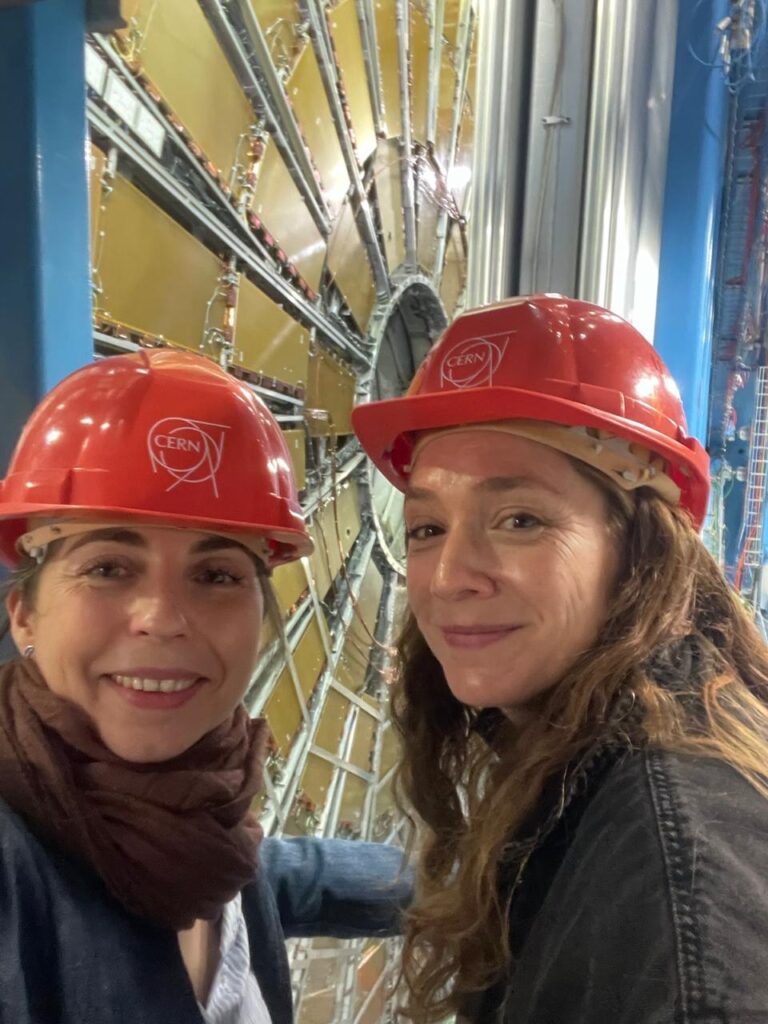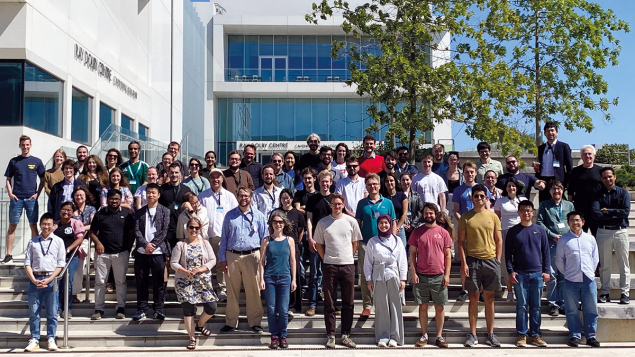
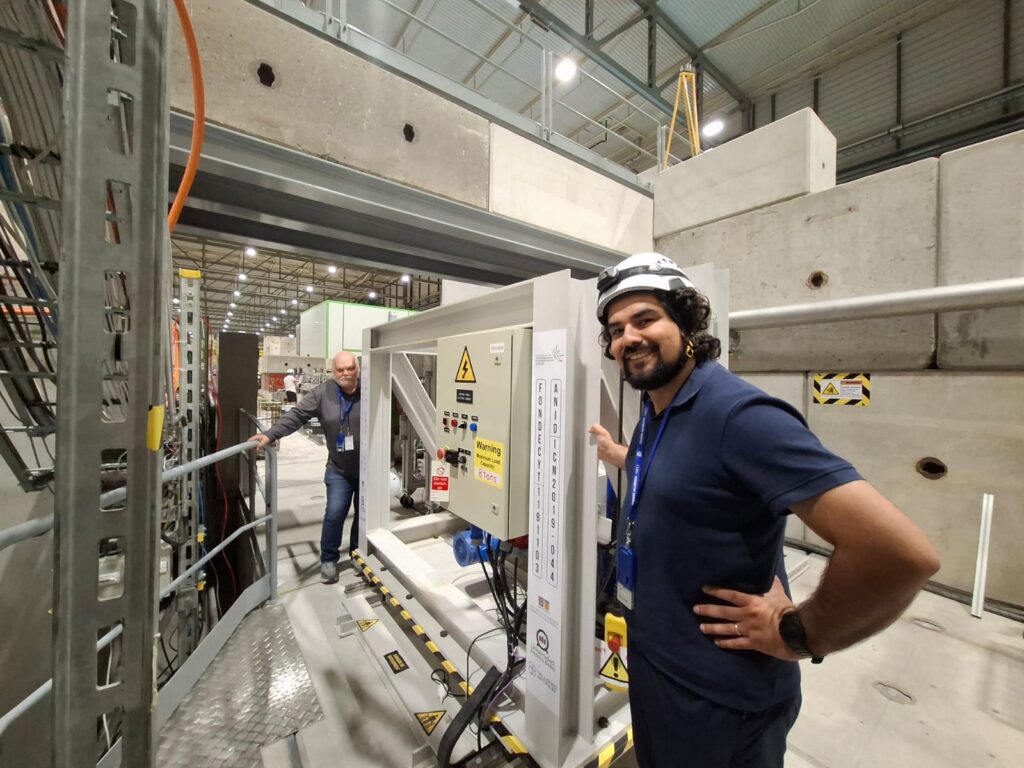
En los laboratorios subterráneos del CERN, donde se exploran los misterios más profundos de la materia, también hay espacio para el talento y la ingeniería chilena. Un equipo del Instituto Milenio SAPHIR participa activamente en el experimento NA-64, colaborando en el desarrollo de una sofisticada mesa móvil (moving table): una plataforma especialmente diseñada para elevar y desplazar calorímetros de hasta 8 toneladas, pieza clave en la operación de este experimento de física de partículas.
Recientemente, esta estructura —diseñada y fabricada íntegramente en Chile— alcanzó un hito clave: superó con éxito su prueba de carga más exigente, paso final dentro del proceso de certificación técnica del CERN.
“La máquina fue sometida a estrés y llevada a sus límites de operación, pero se mantuvo funcionando de manera estable y sin problemas”, explica Carlos Flores, técnico especialista del CTEPP UNAB y SAPHIR. “Esto certifica que es capaz de soportar una carga nominal de hasta 8 toneladas, toda una hazaña para la industria nacional, ya que esta sería la primera máquina de su tipo en ser fabricada en Chile y en ser instalada en el CERN.”
La relevancia del logro es aún mayor si se considera el contexto internacional. “Actualmente, en el CERN existen máquinas alemanas, francesas e italianas que realizan tareas similares, pero con menores capacidades de carga o precios más elevados”, comenta Flores. “Uno de los desafíos del proyecto era que la máquina chilena fuera lo suficientemente competitiva en términos de costo, pero sin sacrificar robustez ni rendimiento.”
Para alcanzar ese equilibrio entre eficiencia, resistencia y costo, fue clave la colaboración entre instituciones académicas y el sector privado. “Se realizó un arduo trabajo de diseño y colaboración entre las universidades Andrés Bello y Federico Santa María, y la empresa chilena de ingeniería Talleres Artificio, encargada de la manufactura y ensamblaje de la máquina”, detalla.
El éxito de la prueba no solo garantiza la operatividad de la mesa en el exigente entorno del CERN, sino que representa un reconocimiento concreto al desarrollo tecnológico nacional. “El hecho de superar esta prueba final nos enorgullece enormemente, porque valida el arduo trabajo realizado por físicos, ingenieros y técnicos chilenos en el largo proceso de diseño, simulación y ensamblaje de esta tremenda máquina.”
Más allá del resultado técnico, hay una dimensión humana profundamente significativa en esta historia. “En lo personal, me emociona muchísimo ver el fruto de estos últimos tres años de trabajo junto a un equipo de chilenos que lo dieron todo por una idea que parecía inalcanzable, pero que hoy es una realidad: Chile puede fabricar maquinaria capaz de competir de tú a tú con la industria europea.”
Con esta contribución, el Instituto Milenio SAPHIR no solo reafirma su compromiso con la investigación de frontera, sino que también fortalece el papel de Chile como un actor capaz de desarrollar soluciones tecnológicas avanzadas en los escenarios científicos más exigentes del mundo.