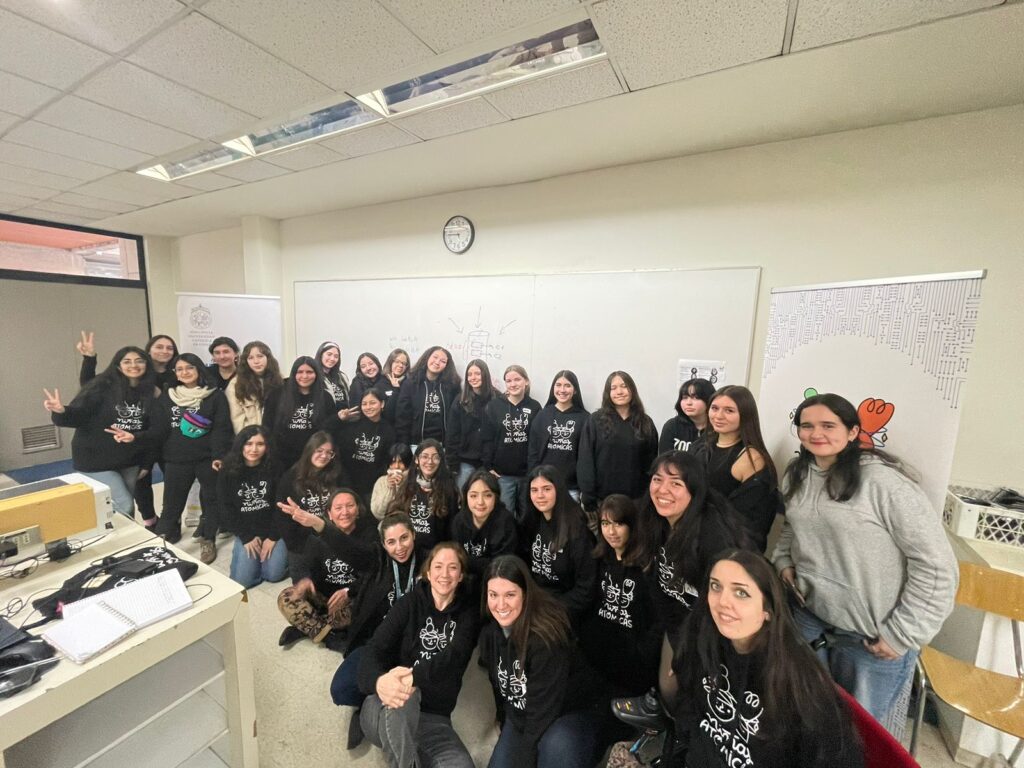
La tercera edición del taller «Niñas Atómicas» se llevó a cabo con gran éxito la actividad organizada por el Instituto Milenio SAPHIR y la Pontificia Universidad Catolica de Chile.
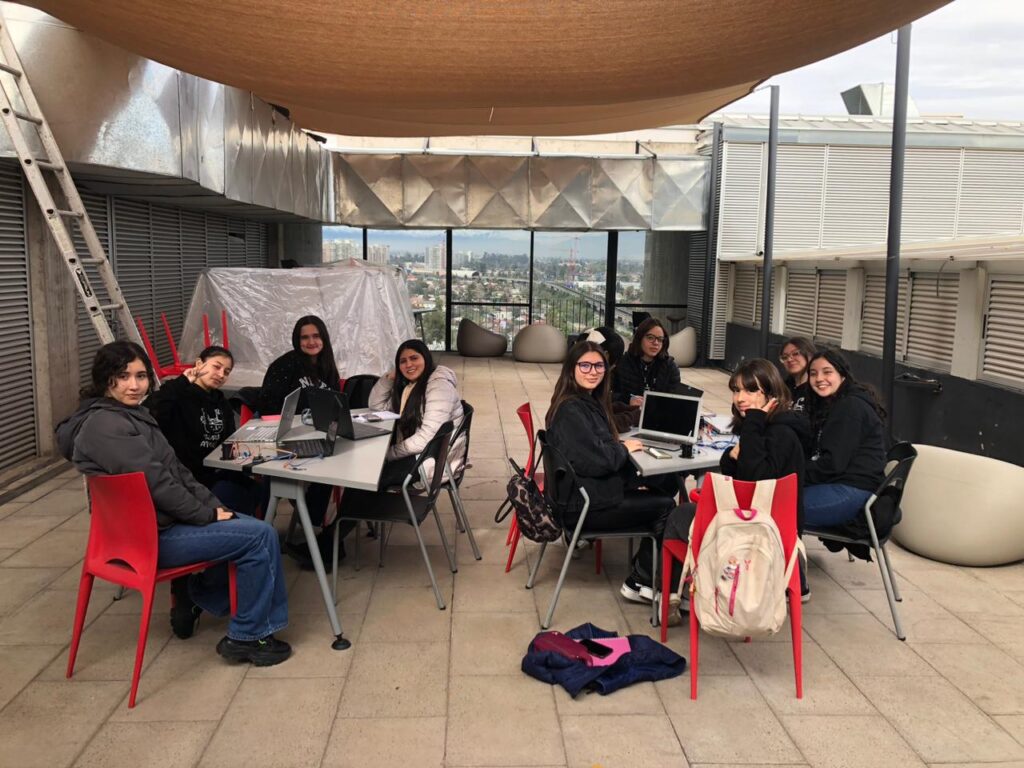
Con clases híbridas y una jornada presencial que se desarrolló en la Facultad de Física de la Universidad Católica de Chile, congregando a 21 jóvenes adolescentes de primer y segundo medio de todo el país, este evento, que se ha convertido en una referencia anual para la promoción de la ciencia entre las niñas, contó con participantes de diversas regiones, incluyendo Chillán, Curicó, Arica, Copiapó, Iquique, San Pedro de la Paz, Aysén y Coyhaique.
Este año, la actividad recibió el apoyo del Instituto Milenio SAPHIR, el Núcleo Milenio para el Estudio del Desarrollo de las Habilidades Matemáticas Tempranas (MEMAT), y la Vicerrectoría de Investigación UC; lo que permitió hacer una experiencia enriquecedora y de alta calidad para las jóvenes participantes.
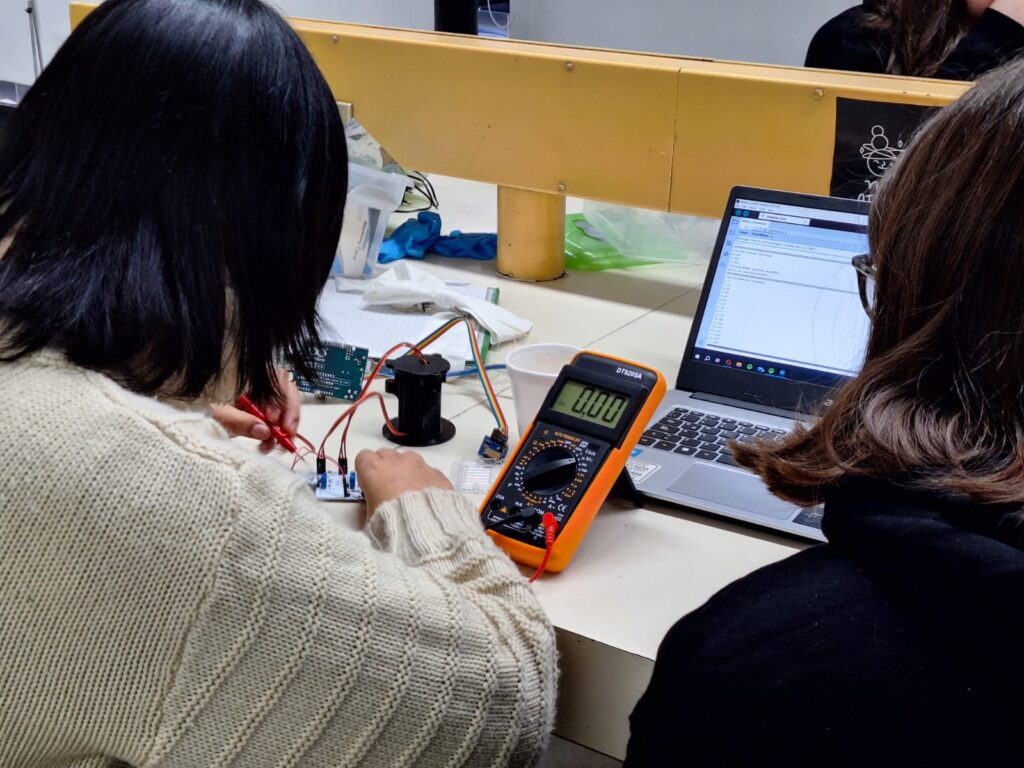
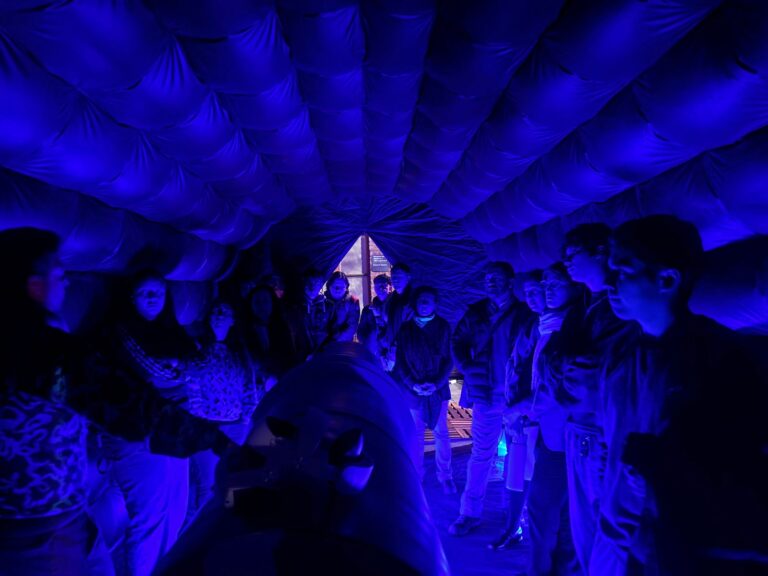
Actividad presencial: armado de un detector de muones
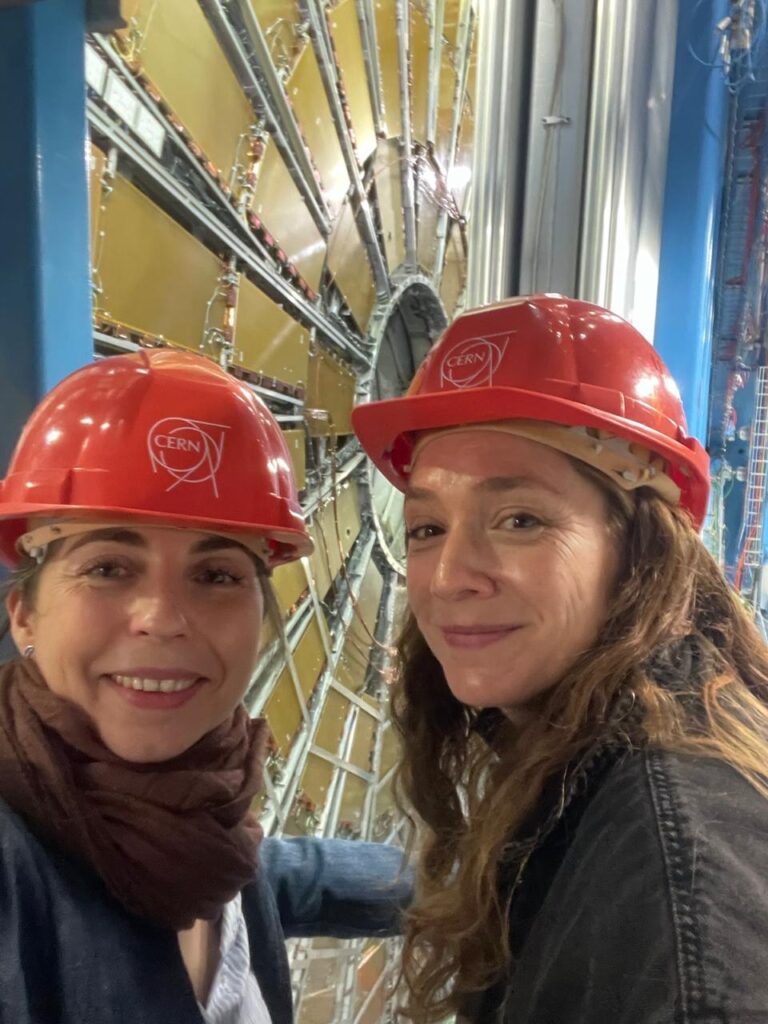
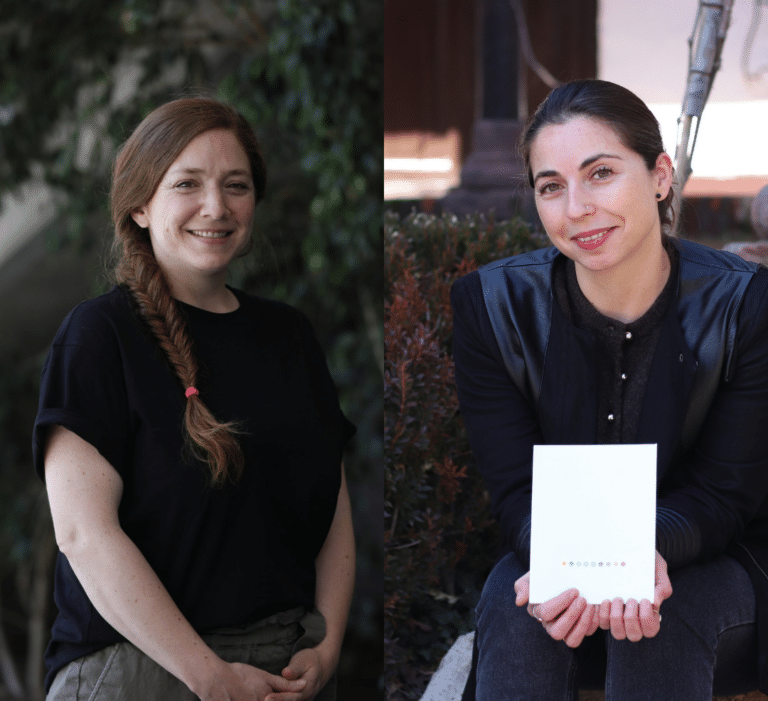
Durante la inauguración del taller, destacadas autoridades de la UC estuvieron presentes para dar su respaldo a esta importante iniciativa. Francisca Garay y Giovanna Cottin, las creadoras del taller, ofrecieron un emotivo discurso en el que destacaron los objetivos y desafíos futuros de «Niñas Atómicas». Subrayaron la importancia de democratizar la ciencia y facilitar el acceso a actividades que permitan a las niñas, desde una edad temprana, explorar sus capacidades y tomar decisiones informadas sobre su futuro vocacional.
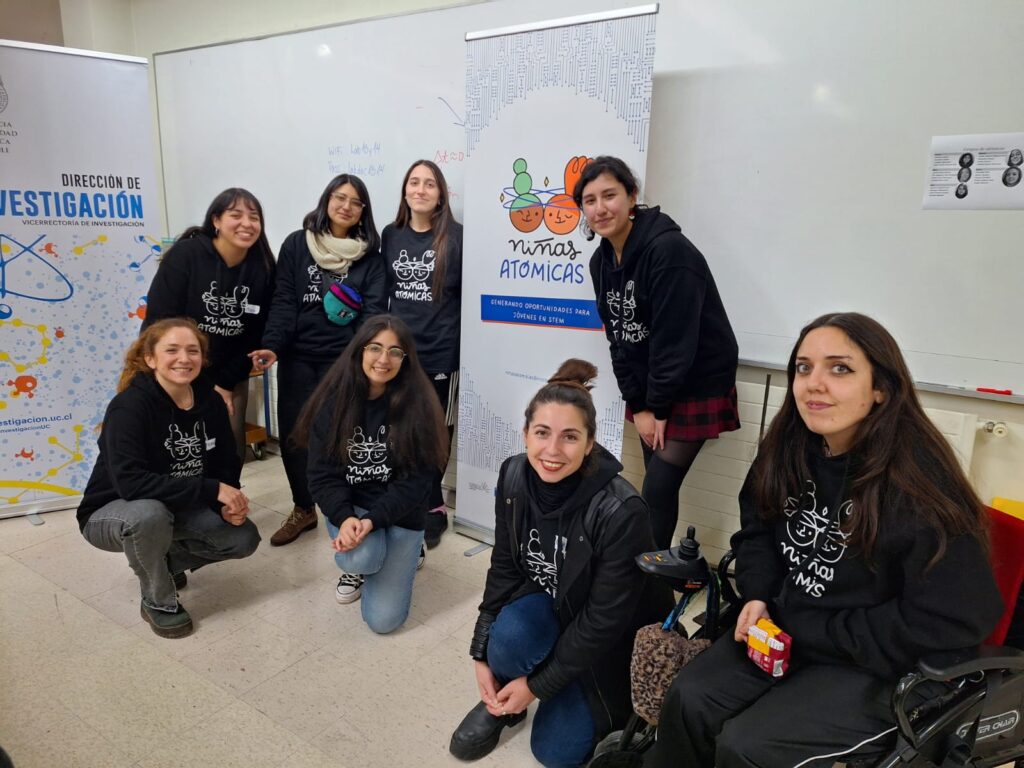
La dinámica fue de dos días en los cuales las niñas junto a un grupo de tutoras, que son estudiantes de pre y postgrado en física y carreras afines a la ciencia, conocienron el funcionamiento de un dispositivo que les permitió detectar muones -partícula elemental masiva- y aplicar esta data para generar un análisis de variables; utilizando el lenguaje de programación Python.
Si bien fueron 21 las participantes, el taller obtuvo una alta postulación de adolescentes de diferentes rincones de Chile, lo que es sinónimo del impacto positivo y alcance nacional de esta actividad. La diversidad geográfica de las participantes no solo enriqueció la experiencia de aprendizaje, sino que también fomentó un sentido de comunidad y colaboración entre las jóvenes científicas en formación.
Esperamos que «Niñas Atómicas» continué consolidándose como una espacio para inspirar a las próximas generaciones de mujeres científicas en Chile.