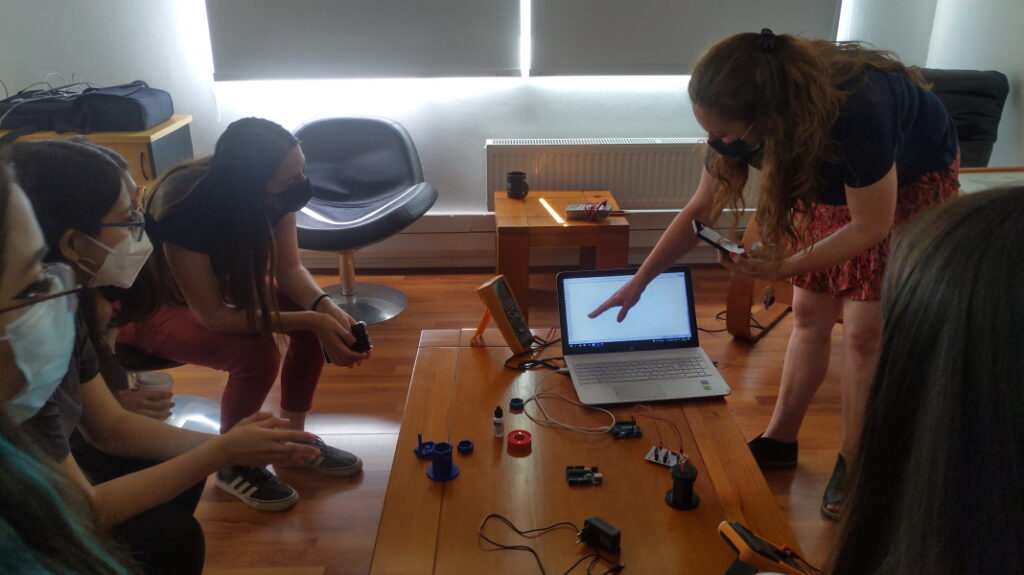
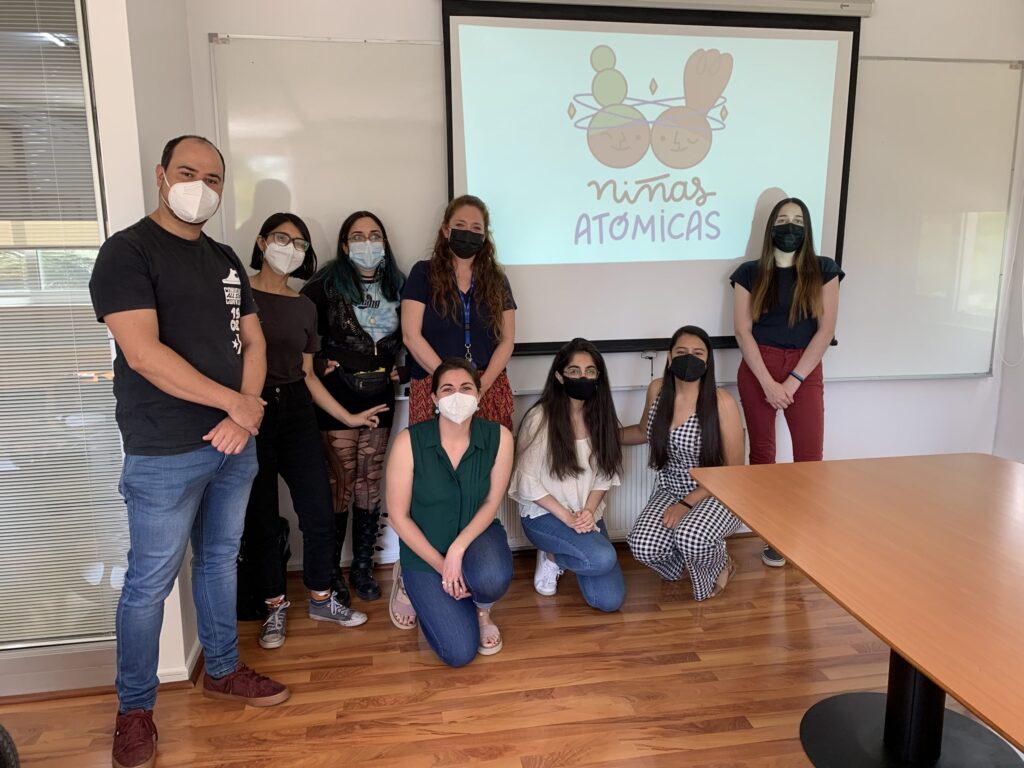
inco estudiantes de física, astronomía y astrofísica tuvieron hoy su primera capacitación para convertirse en tutoras de estudiantes femeninas de enseñanza media que aprenderán a detectar muones en sus casas y colegios. El taller «Niñas Atómicas» busca entregar herramientas transversales que le ayuden a las niñas en cualquier carrera que decidan estudiar… Aunque sería maravilloso que optaran por una carrera científica, afirman las científicas que lideran esta iniciativa.
En el Instituto de Física de la Pontificia Universidad Católica de Chile se realizó hoy la primera capacitación de las tutoras del taller «Niñas Atómicas», que se realizará durante las vacaciones de invierno de este año.

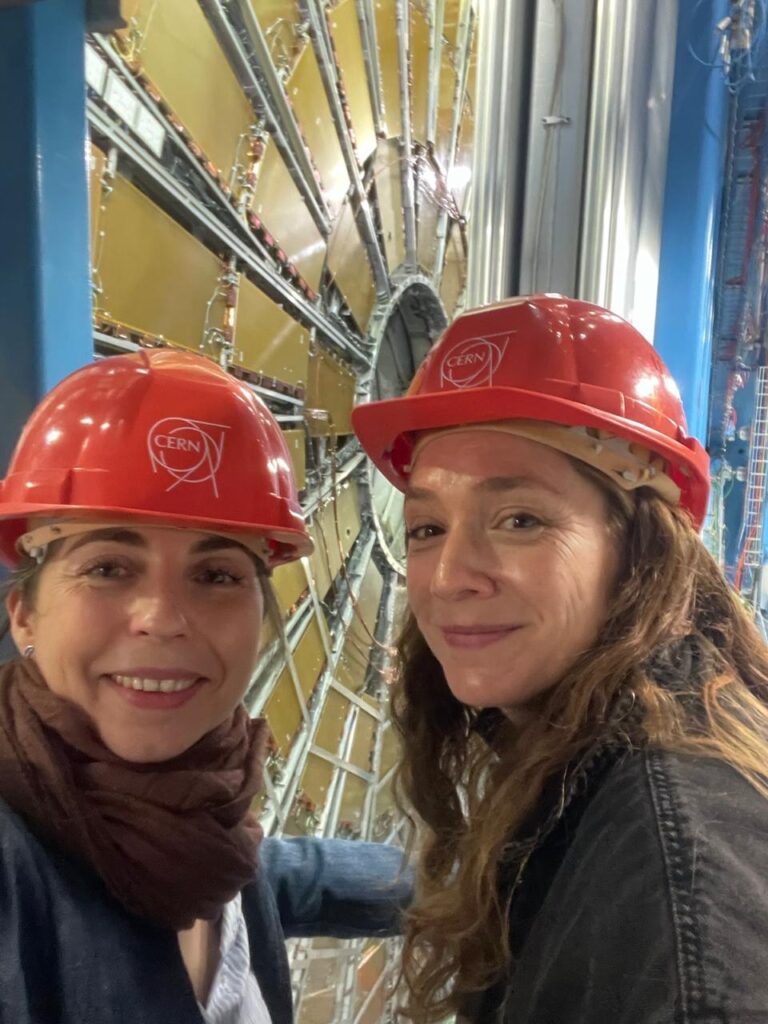
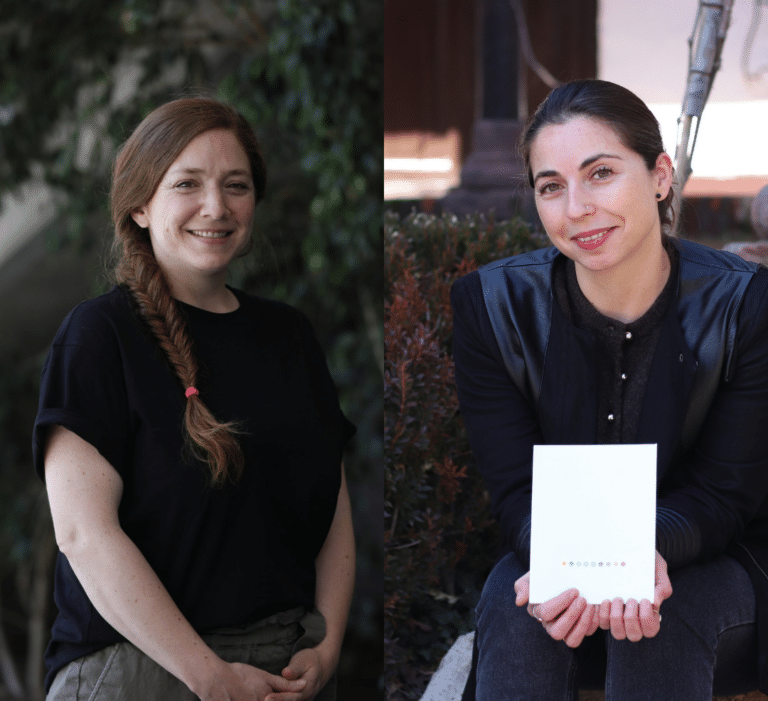
«Niñas Atómicas» es una iniciativa impulsada por dos investigadoras del Instituto Milenio Saphir, Francisca Garay (académica de la Universidad Católica y directora alterna de Saphir) y Giovanna Cottin (académica de la Universidad Adolfo Ibáñez e investigadora joven de Saphir), que busca enseñar herramientas computacionales y conceptos básicos sobre el trabajo científico a niñas de enseñanza media. A través del armado y la experimentación con un detector de muones portátil, las niñas deberán hacer mediciones sobre la incidencia de muones en la superficie, tomar apuntes de sus hallazgos y realizar un informe científico con estos datos. El producto final del taller será el mencionado informe —en el que darán cuenta del resultado de sus experimentos—, además del mismísimo detector de muones y un arduino, que podrán reutilizar en sus colegios.
No son las Chicas Superpoderosas: son las Niñas Atómicas capturando muones en sus casas. El hecho de que tanto las científicas que organizan el taller como las tutoras sean todas mujeres no es casual: es algo especialmente pensado para mostrar que las ciencias no son un campo exclusivo de hombres y que cualquiera de ellas podría convertirse en científica. Créditos del logo: Maritza Piña.
El taller «Niñas Atómicas» abordará conceptos básicos sobre física de partículas, electrónica, programación y método científico, todo lo necesario para que puedan armar y hacer funcionar el detector de muones. Las cinco tutoras que trabajarán en el taller, Mariel Poduje, Melanie Martínez, Suyay Huichacura, Devika Mukhi y Laura Martínez (estudiantes de licenciatura en física, licenciatura en astronomía y de doctorado en astrofísica de la Universidad Católica), apoyarán a las niñas para que puedan realizar su trabajo de la mejor manera posible.
Durante la capacitación, las tutoras recibieron una charla introductoria sobre física de partículas, los objetivos del taller y el trabajo que realizarán. Además, tuvieron una capacitación práctica sobre la electrónica del detector de muones, realizada por Roberto Pinto, ingeniero del Instituto Milenio Saphir.
«Niñas Atómicas» es un taller que busca incentivar el interés por las ciencias en niñas estudiantes de colegio, pero no considera como índice de éxito el que ellas decidan estudiar física. Según Garay, lo que les interesa es entregar herramientas que les sirvan para cualquier carrera que decidan estudiar (programación y método científico son conocimientos transversales) y vivan un acercamiento a lo que es el trabajo científico real en un entorno protegido.
«Si ellas deciden estudiar otra cosa, está bien, pero que sea porque ellas lo decidan, no por sesgos de género o porque no conocen el trabajo real en las ciencias. La idea es que el taller le dé a las niñas interesadas en las ciencias la motivación que necesitan para decidirse por una carrera científica», afirma Garay.
«Un aspecto importante del pensamiento crítico y habilidades que espero las niñas desarrollen en el taller tiene que ver con generar resiliencia al descubrir el mundo. ¿Cómo prosigo si me falló el experimento? ¿Qué pasa si los resultados no son lo esperado? Esta resiliencia se traduce también en una habilidad científica que considero muy útil en la vida. […] Quiero que este sea el taller que a mí como niña, y quizás a todas nosotras, nos hubiese gustado tener», dice Cottin.
Como dato adicional, el detector de muones que se usará en el taller está basado en un diseño original de Renato Galleguillos, investigador adjunto de Saphir y académico de la Universidad Andrés Bello, por lo que se trata de un diseño totalmente chileno.